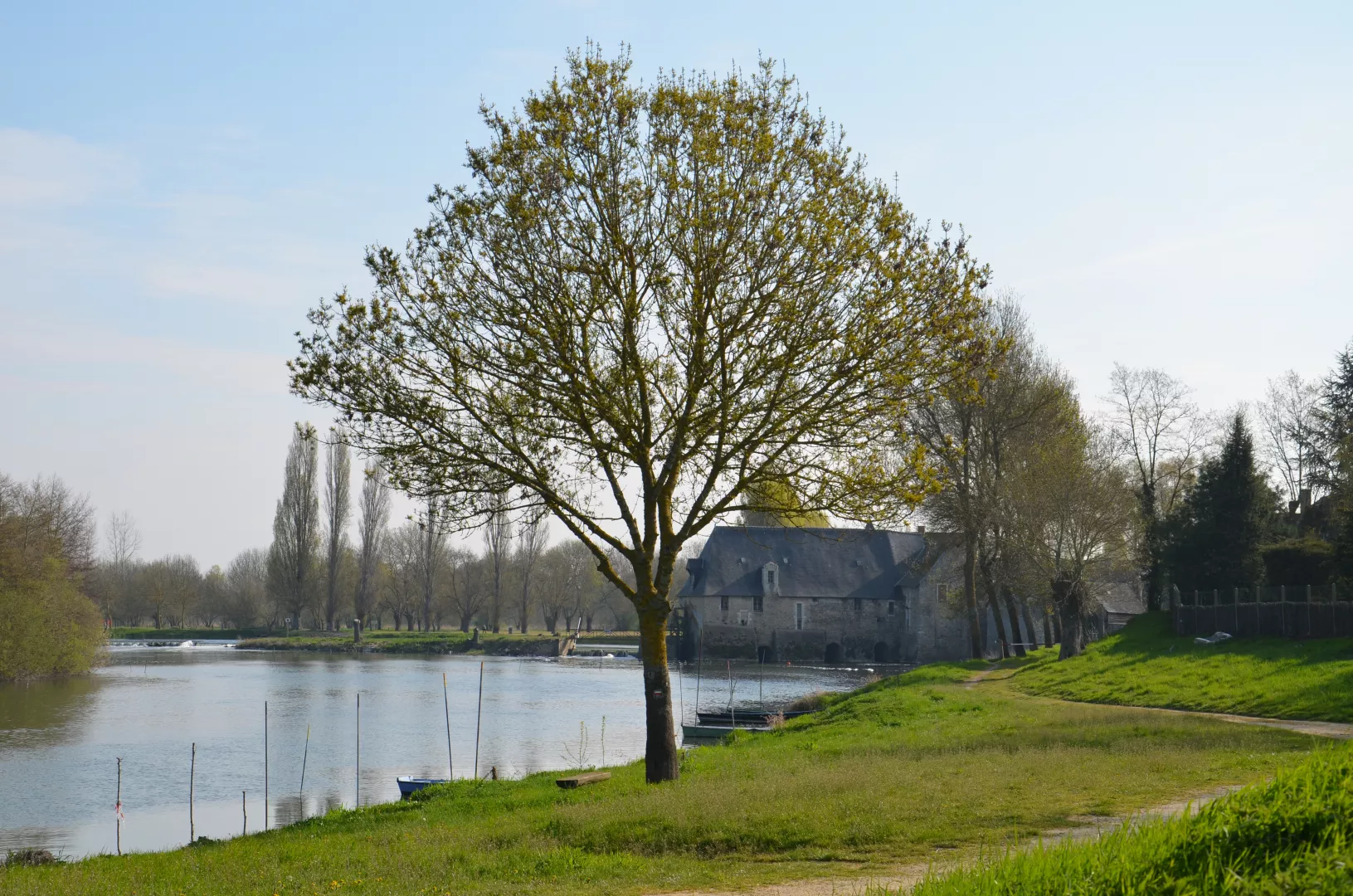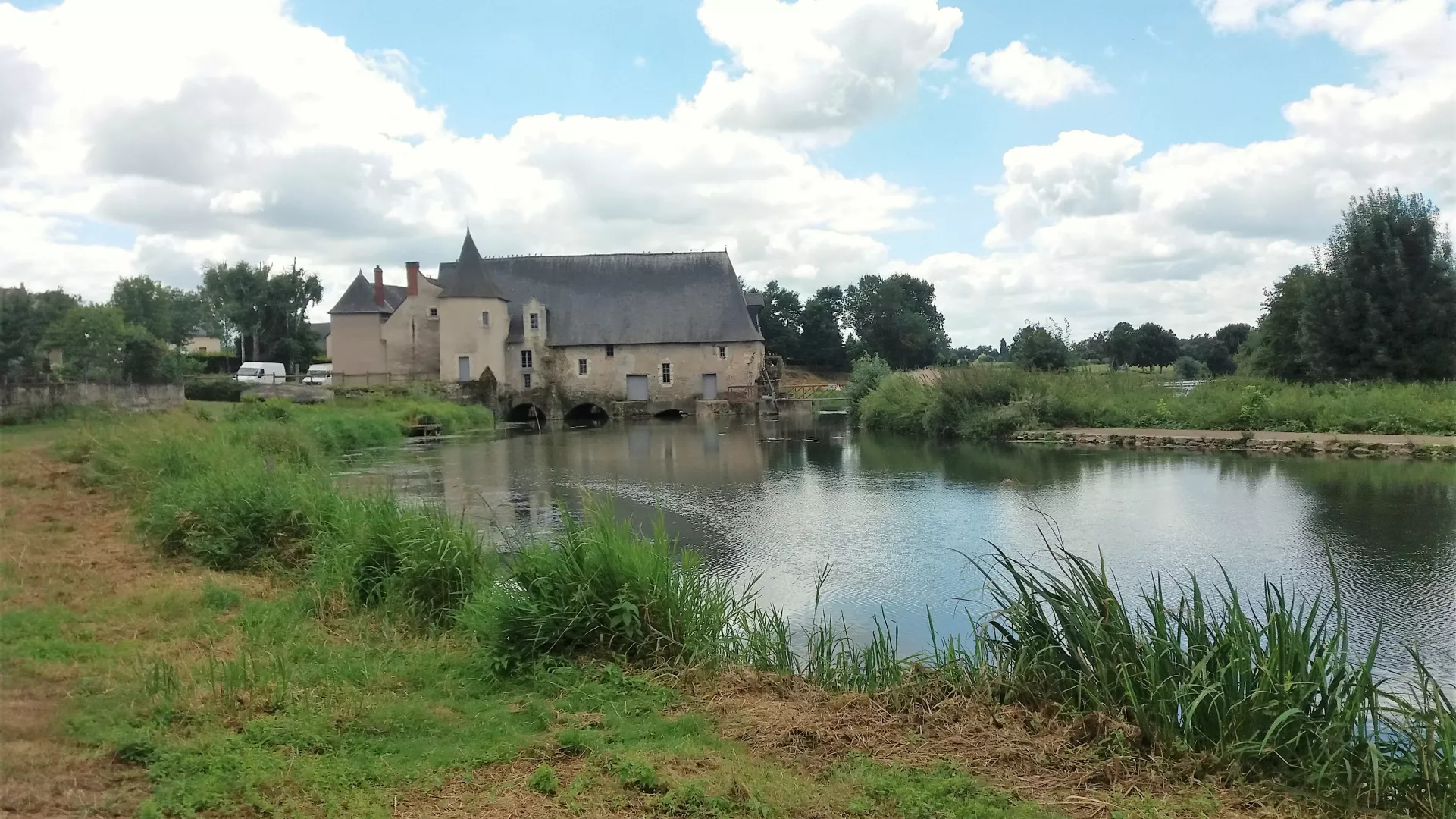
Sentier de randonnée pédestre "à la découverte des bords du Loir"
Description
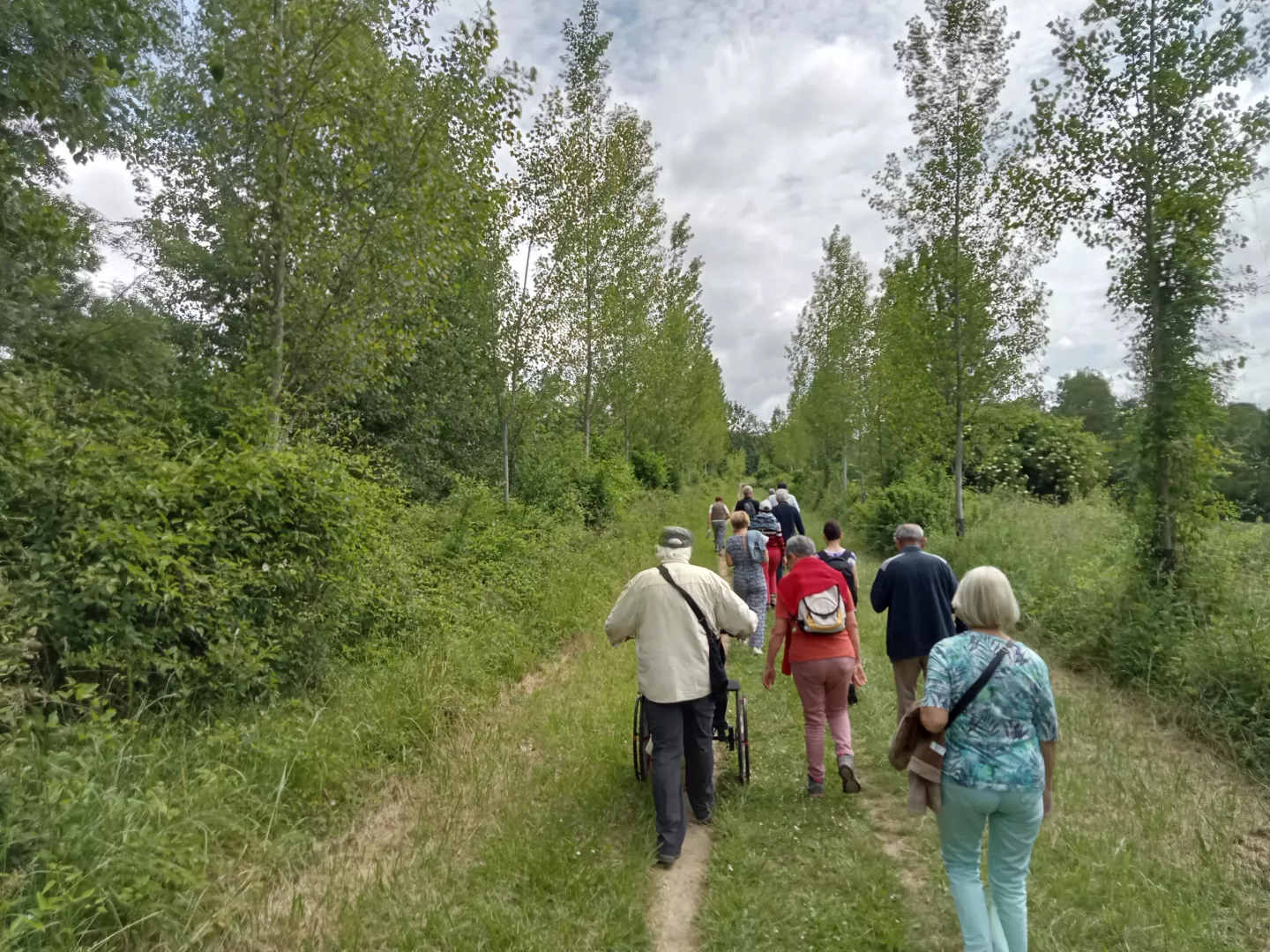
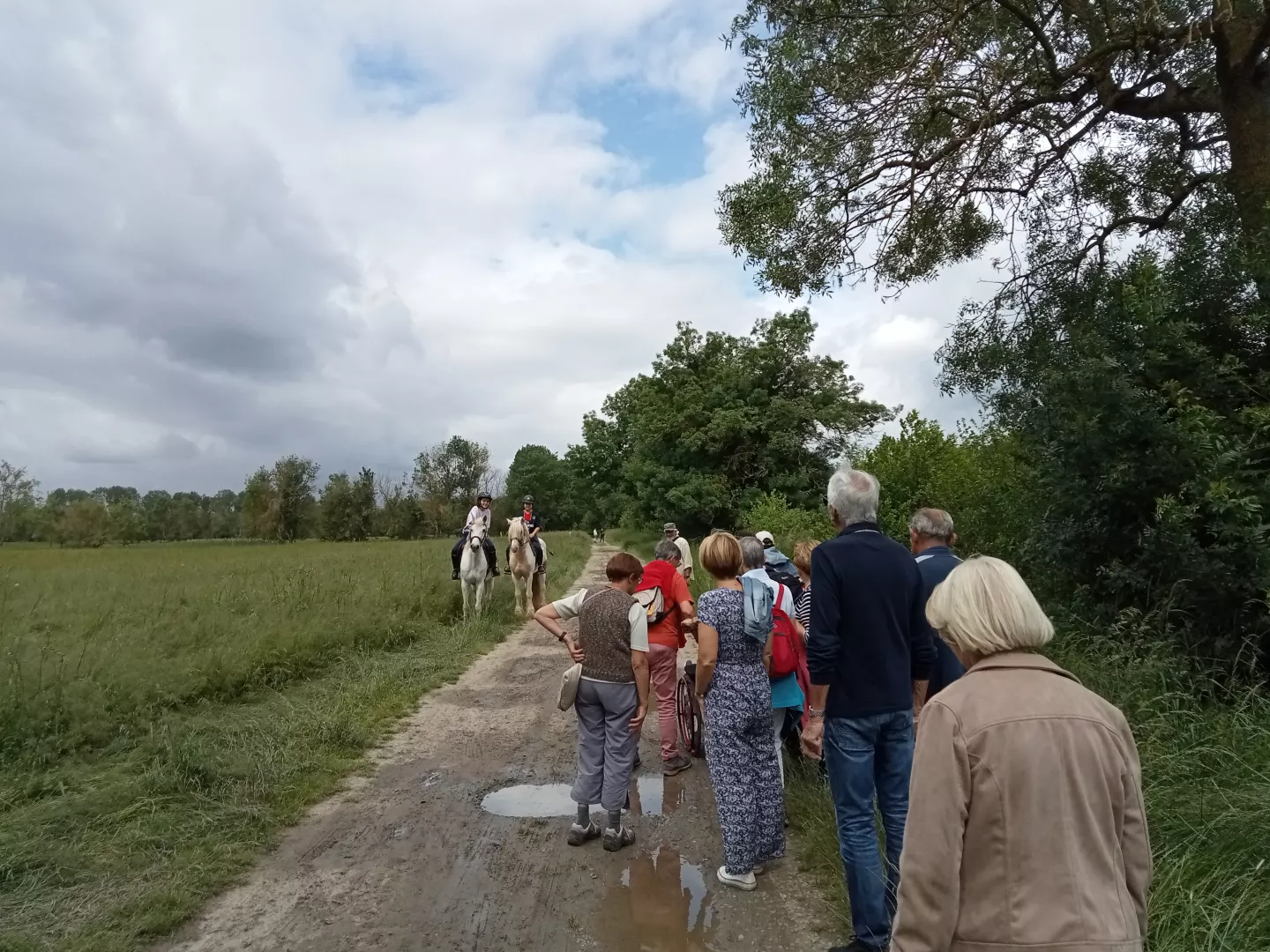
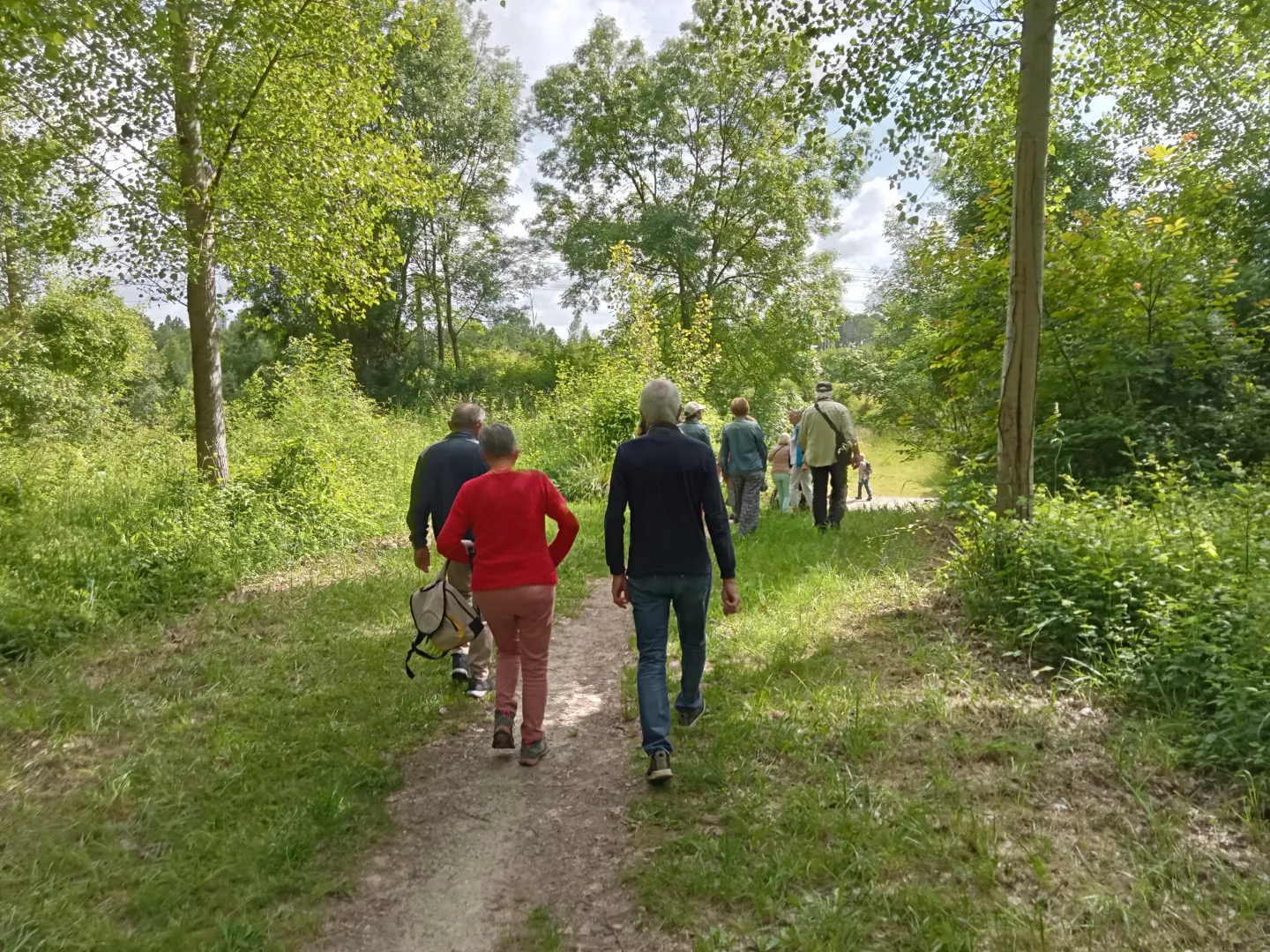
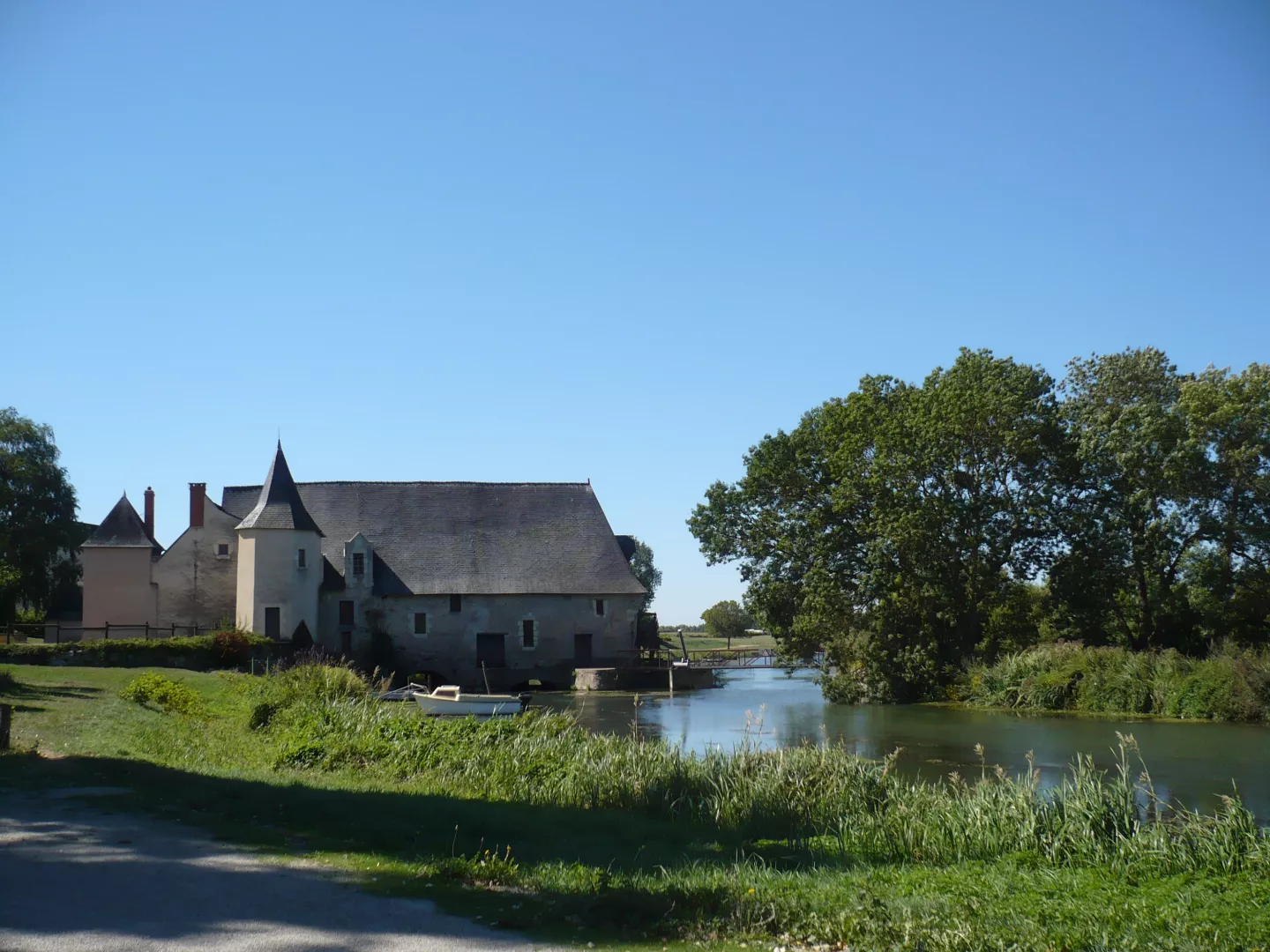
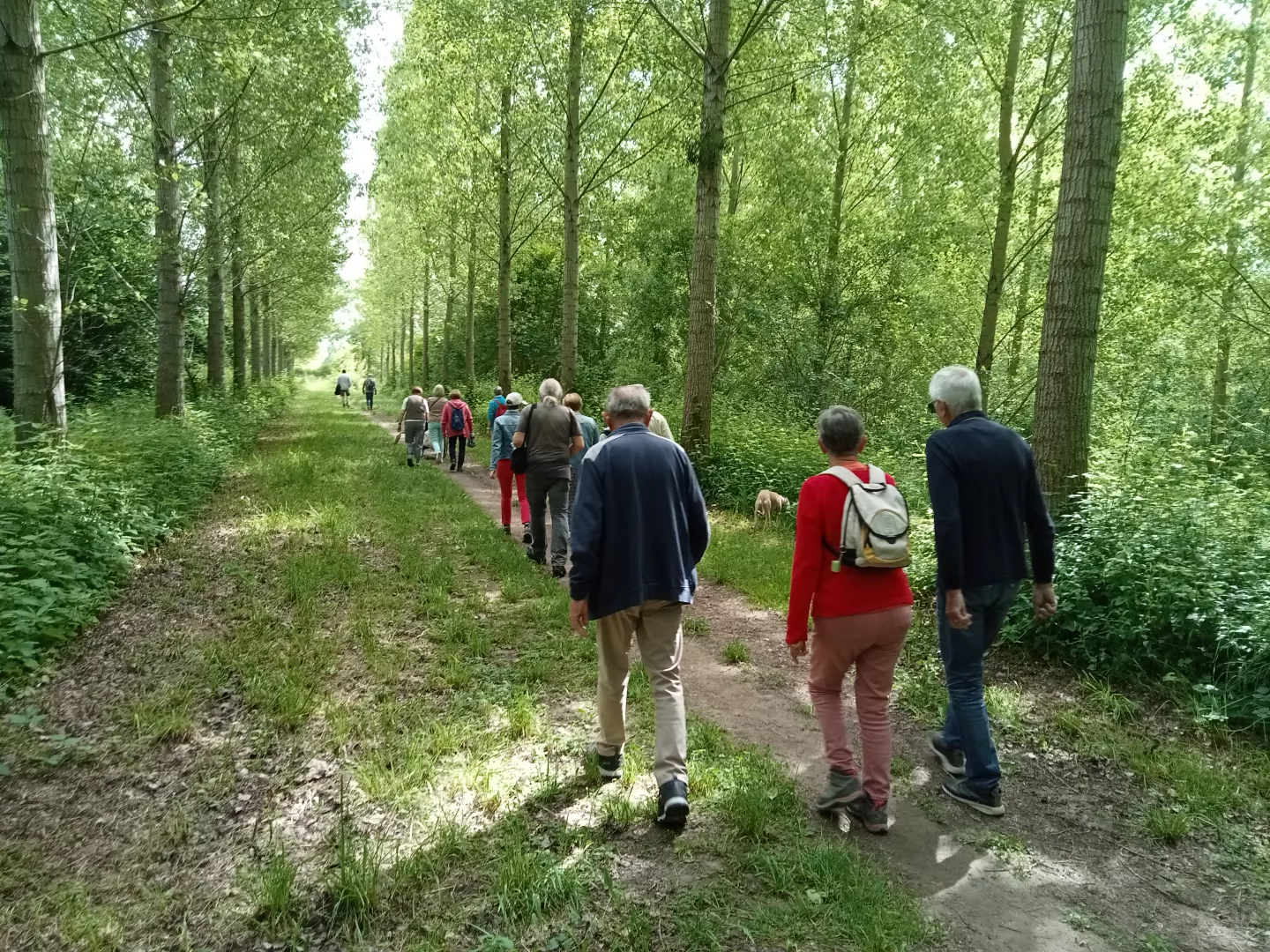
Starting in the village of Corzé, this easy trail takes in the old Corzé railway line and the banks of the River Loir as it winds its way through Anjou.
Notice
Chemin partiellement inaccessible en cas de crues du Loir
Infos
Download
Route
Start : Corzé
Arrival : CORZE
Distance : 5,6km
Balisage : jaune
Duration & difficulties
Walking 1h30 - Easy
Access
Address
4 rue du Commerce
49140 Corze
FRANCE
updated : 21 mai 2026By : Office de tourisme Anjou Loir et SartheSuggest changes.
You will also like...

4 km away from Sentier de randonnée pédestre "à la découverte des bords du Loir"
380€ / Overnight (furnished)
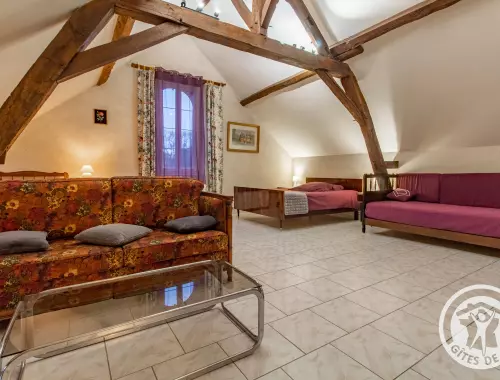
Gîte on the first floor of a restored Anjou farmhouse 15 minutes from Angers.
3 pers. 1 room
L'Espoir
CORZE
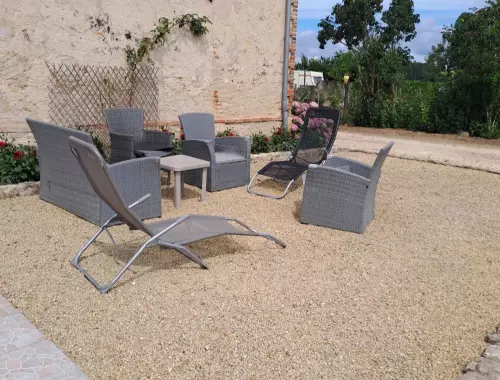
4 km away from Sentier de randonnée pédestre "à la découverte des bords du Loir"
650€ / Overnight (furnished)
Self-catering gîte for 6 people, 15 minutes from Angers
4.4(5) Google ne vérifie pas les avis, mais recherche et supprime les faux contenus lorsqu'ils sont identifiés.
6 pers. 3 rooms
L'Authentique
CORZE
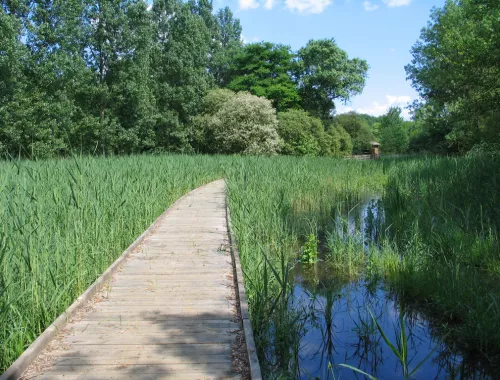
16.5 km away from Sentier de randonnée pédestre "à la découverte des bords du Loir"
Distance 79km
DURTAL
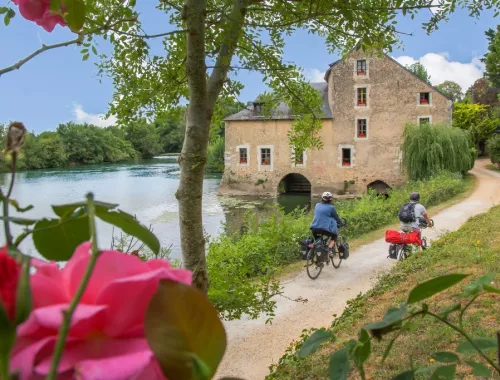
3 km away from Sentier de randonnée pédestre "à la découverte des bords du Loir"
Distance 22km
Boucle vélo les moulins du Loir
Seiches-sur-le-Loir, SEICHES-SUR-LE-LOIR

3 km away from Sentier de randonnée pédestre "à la découverte des bords du Loir"
13,90€ / Adult menu (lunch on workdays)
4.5(658)Google ne vérifie pas les avis, mais recherche et supprime les faux contenus lorsqu'ils sont identifiés.
CORZE

0.3 km away from Sentier de randonnée pédestre "à la découverte des bords du Loir"
16€ / Adult menu (lunch on workdays)
Restaurant Les Planches du Loir
4.6(404)Google ne vérifie pas les avis, mais recherche et supprime les faux contenus lorsqu'ils sont identifiés.
Corzé, CORZE