Randonnée "Le gallo-romain sylvanois"
Description
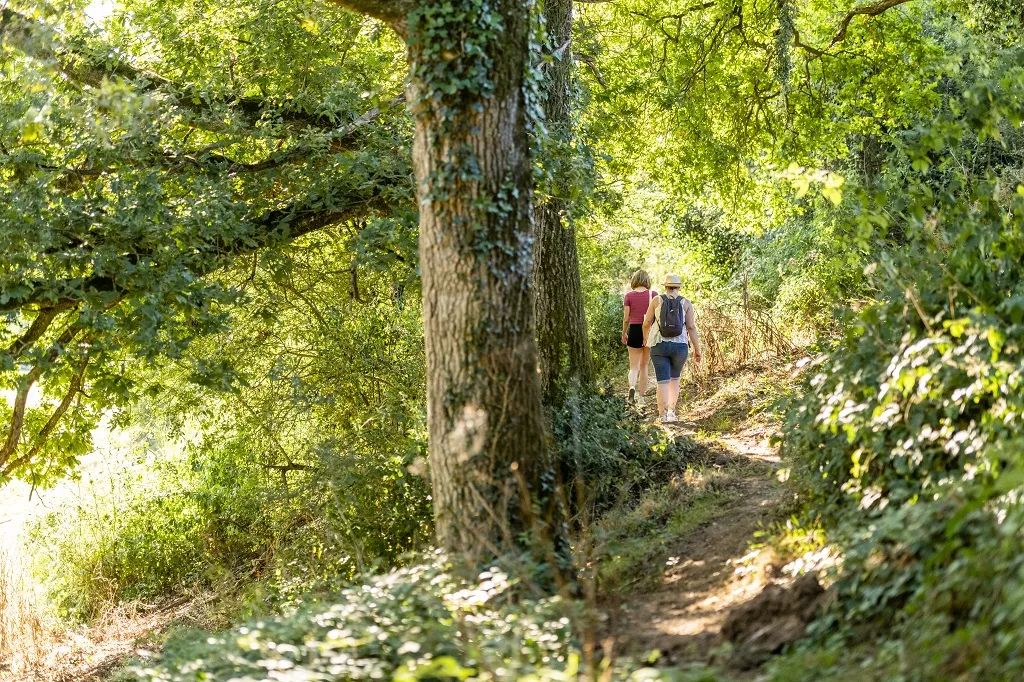
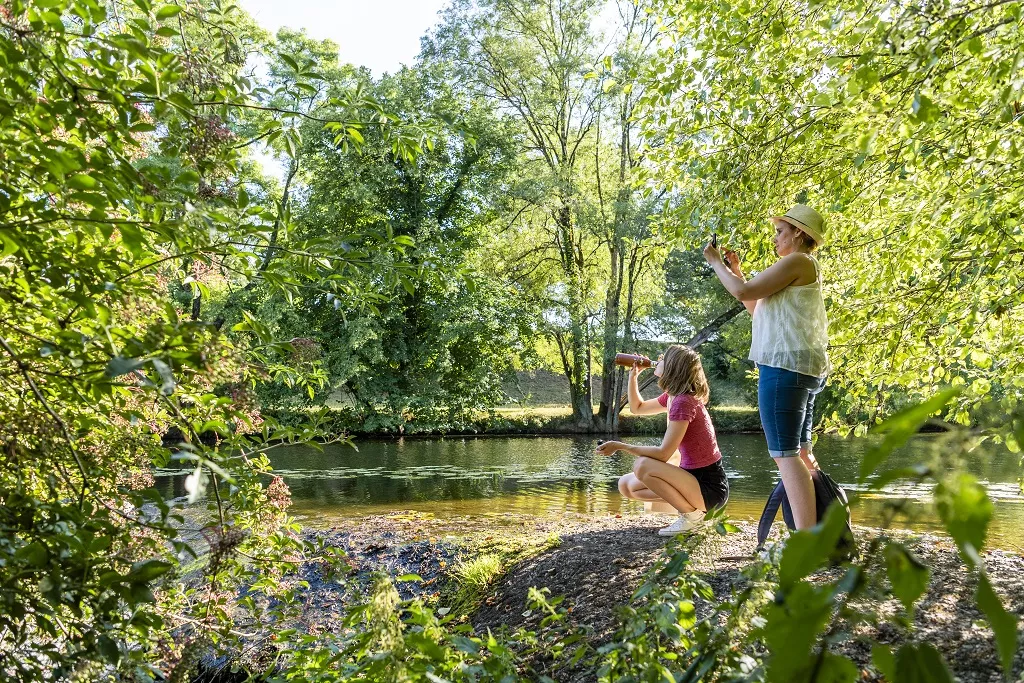
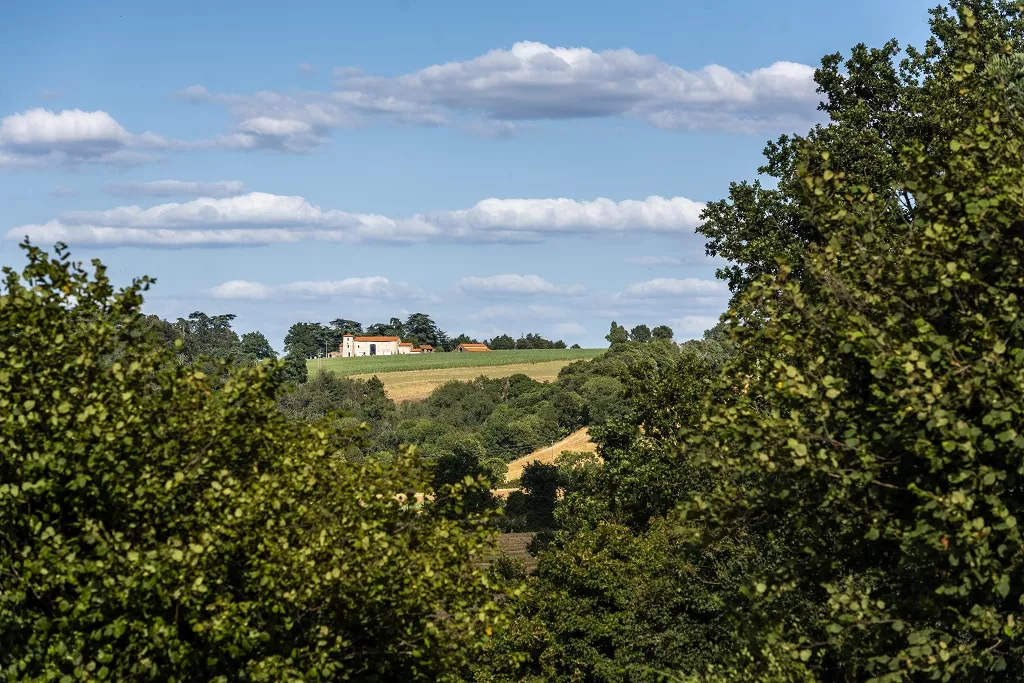
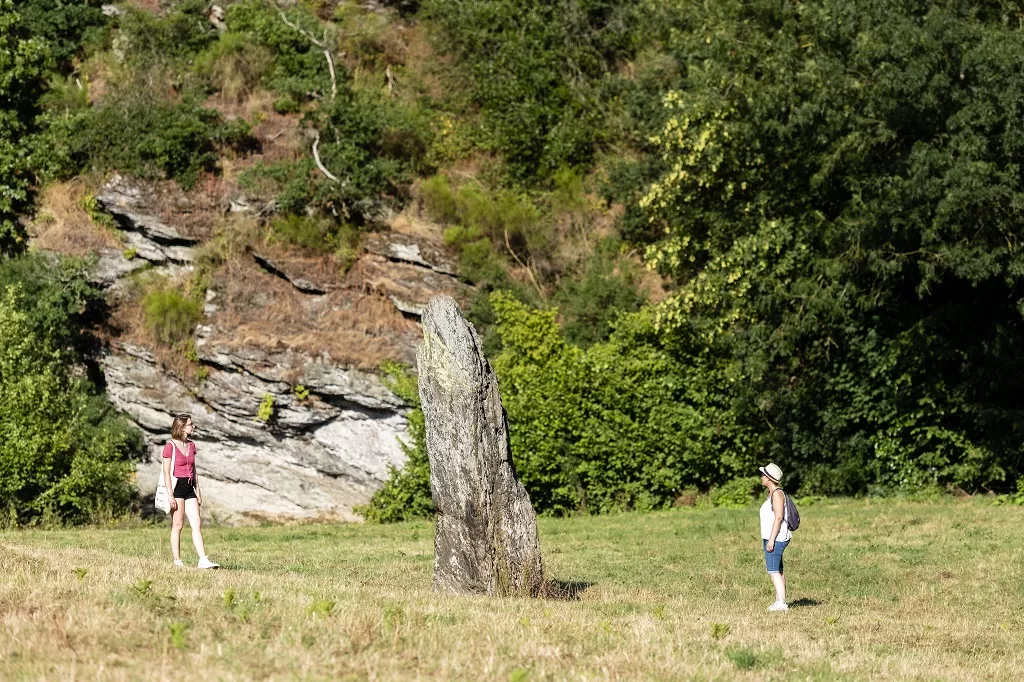
At Le Fief-Sauvin, in the municipality of Montrevault-sur-Èvre, the "Gallo-Romain Sylvanois" trail offers a 32-kilometre loop. The trail, which takes an average of 8 hours to complete, invites you to follow in the footsteps of the ancient city of Segora, while exploring the slopes of the Èvre val...
Infos
Route
Start : Le Fief-Sauvin
Arrival : LE FIEF-SAUVIN
Distance : 32km
Balisage : Blanc
Duration & difficulties
Walking 8h30 - Difficult
Access
Address
Place de l'église
LE FIEF-SAUVIN
49600 Montrevault-sur-evre
FRANCE
Nearby
Motorway : (23km)
SNCF train station : (23km)
updated : 13 mai 2026By : Pôle Tourisme ôsezMaugesSuggest changes.
You will also like...
0.2 km away from Randonnée "Le gallo-romain sylvanois"
Distance 20km
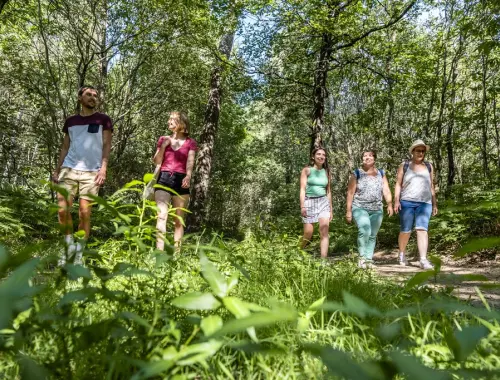
Randonnée "Entre forêt et bocage"
Le Fief-Sauvin, MONTREVAULT-SUR-EVRE
1.5 km away from Randonnée "Le gallo-romain sylvanois"
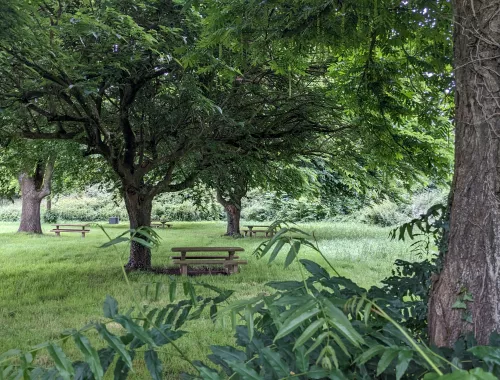
Aire de pique-nique Haute Brin au Fief-Sauvin
5(2) Google ne vérifie pas les avis, mais recherche et supprime les faux contenus lorsqu'ils sont identifiés.
Le Fief-Sauvin, MONTREVAULT-SUR-EVRE
5 km away from Randonnée "Le gallo-romain sylvanois"
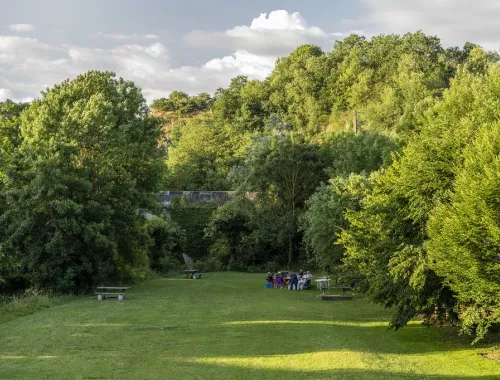
Aire de pique-nique Pont de Bohardy à Montrevault
Montrevault, MONTREVAULT-SUR-EVRE
1.5 km away from Randonnée "Le gallo-romain sylvanois"
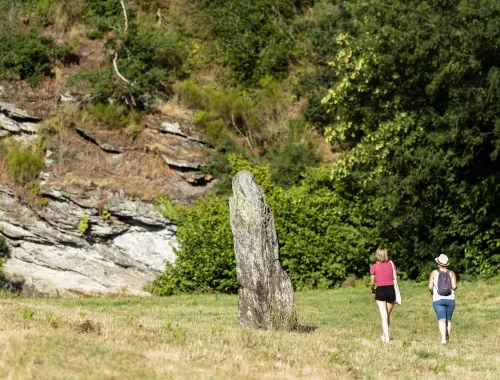
Le Menhir de Bréau - La Pierre qui Tourne
Le Fief-Sauvin, MONTREVAULT-SUR-EVRE
0.6 km away from Randonnée "Le gallo-romain sylvanois"
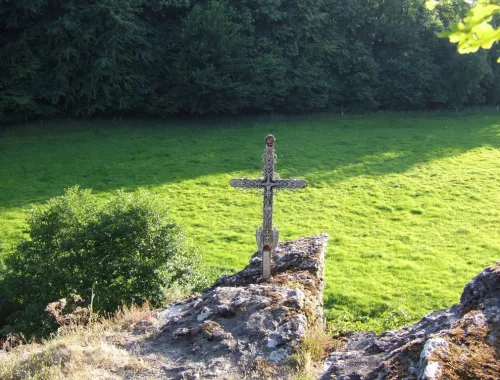
Point de vue à La Croix des Martyrs au Fief-Sauvin
Le Fief-Sauvin, MONTREVAULT-SUR-EVRE