Free access
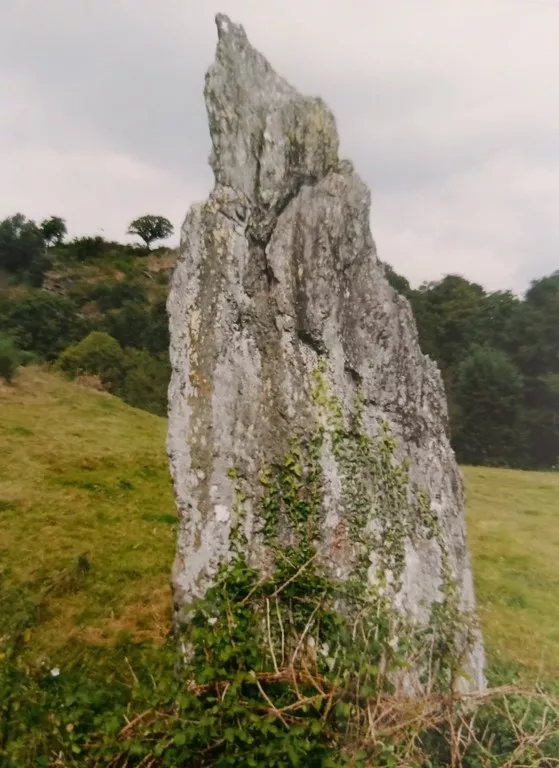
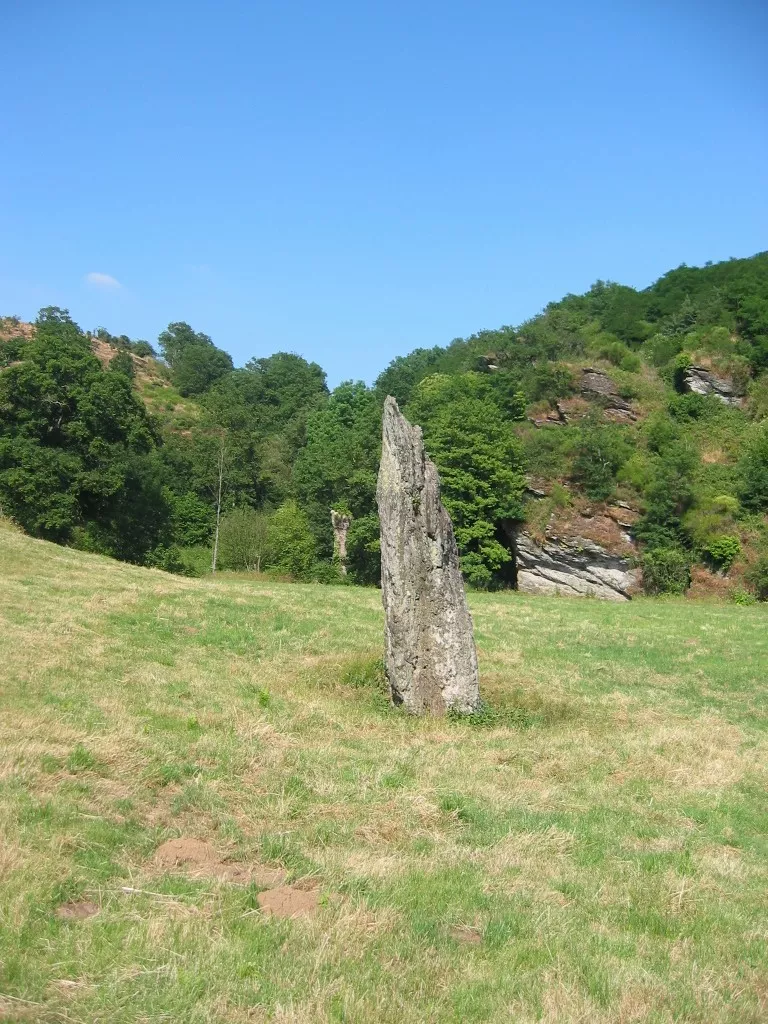
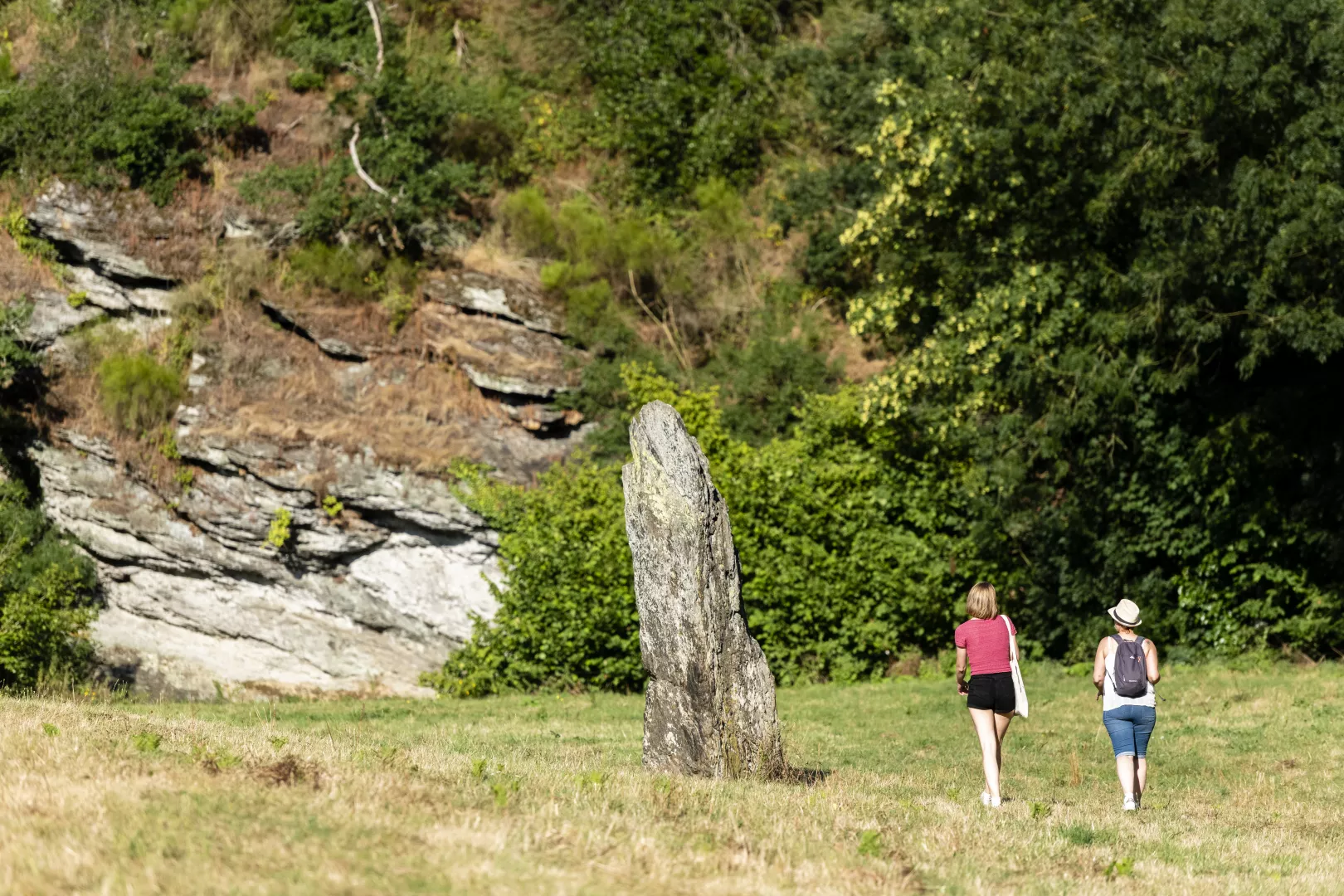
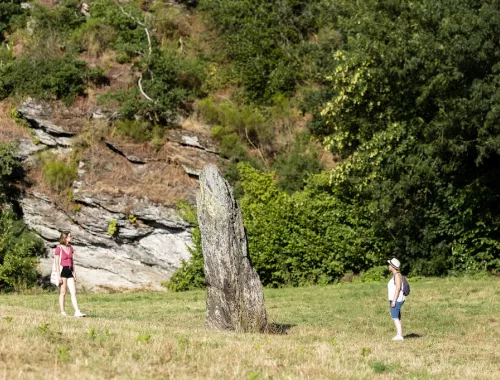
Le Menhir de Bréau - La Pierre qui Tourne
Activity
Le Fief-Sauvin
Description
In the Neolithic period, our ancestors began to settle down, and in the remarkable meander of Bréau, they erected a large block of schist 3.50 m high. It is known as "The Turning Stone".
Infos
Download
Access
Address
Moulin Neuf du Vigneau
Le Fief-Sauvin
49600 Montrevault-sur-evre
FRANCE
updated : 29 août 2025By : Pôle Tourisme ôsezMaugesSuggest changes.
You will also like...
1.5 km away from Le Menhir de Bréau - La Pierre qui Tourne
Distance 32km
Randonnée "Le gallo-romain sylvanois"
Le Fief-Sauvin, MONTREVAULT-SUR-EVRE
20 km away from Le Menhir de Bréau - La Pierre qui Tourne
16,50€ / Overnight basis
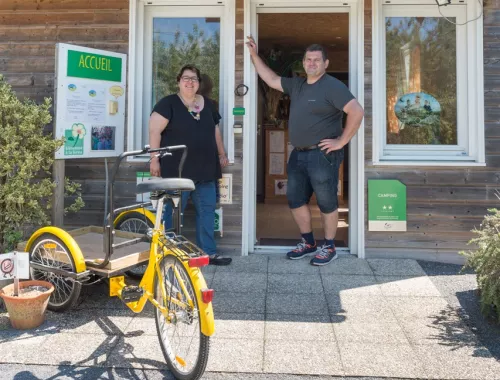
Aire de camping-car de la Guyonnière
4.3(181) Google ne vérifie pas les avis, mais recherche et supprime les faux contenus lorsqu'ils sont identifiés.
La Pommeraye, MAUGES-SUR-LOIRE
WiFi
59.5 km away from Le Menhir de Bréau - La Pierre qui Tourne
7,50€ / Overnight basis
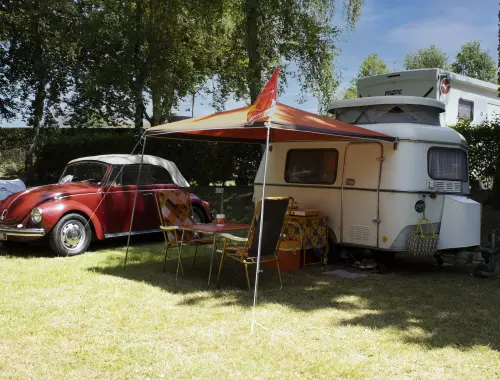
Aire au camping La Roche Martin
4.1(151)Google ne vérifie pas les avis, mais recherche et supprime les faux contenus lorsqu'ils sont identifiés.
Pouancé, OMBRÉE D'ANJOU
WiFi

22 km away from Le Menhir de Bréau - La Pierre qui Tourne
16€ / Overnight basis
Aire de camping-car du camping Paradis La Promenade
4.2(619)Google ne vérifie pas les avis, mais recherche et supprime les faux contenus lorsqu'ils sont identifiés.
Montjean-sur-Loire, MAUGES-SUR-LOIRE
WiFi
73.5 km away from Le Menhir de Bréau - La Pierre qui Tourne
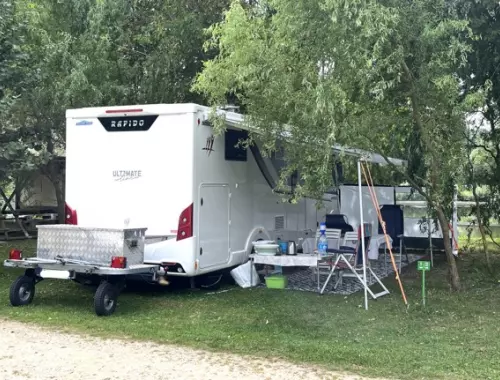
Aire de services et de stationnement camping-cars au Camping Moredena
4.1(203)Google ne vérifie pas les avis, mais recherche et supprime les faux contenus lorsqu'ils sont identifiés.
Morannes, MORANNES SUR SARTHE-DAUMERAY
WiFi
20 km away from Le Menhir de Bréau - La Pierre qui Tourne
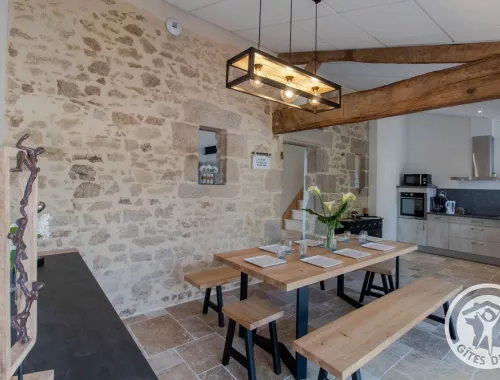
Group gîte for 14 people between Vendée and Nantes
14 pers. 7 rooms
Gîtes de la Tiboire
Torfou, SEVREMOINE
WiFi