Louresse-Rochemenier
Activity
Louresse-Rochemenier
Description
Here, the imagination reigns supreme: the ancient settlement, twice as large underground as above ground; the vanished hamlet of Varenne; the newly discovered Carolingian cemetery; the strange serenity of the Chapel of Sainte-Emérance; or even the reference to the ‘realm of the wolves’ in the origin of the town’s name… The authors were certainly spot on! Discover a land of mysteries in Louresse-Rochemenier more than anywhere else.
Rochemenier and Louresse were originally two separate towns, the first written records of which date back to the 12th century. For Louresse, in 1224, we find ‘luparicia’, from the Latin ‘lupus’, meaning ‘wolf’, with the suffix ‘ariccia’ referring to the ‘realm of the wolves’. As for Rochemenier, the ancient form given in texts from 1238 is ‘rupes mainerii’, with ‘rupes’ understood to mean a cavern or cave.
On the edge of the Milly Forest, between the plains and the underground passages, humans and wolves share the same territory. In 813, Charlemagne established the wolf-hunting corps, and the practice of hunting wolves continued for thousands of years. Within the parish, the locality known as La Fosse-aux-Loups also harks back to those ancient times.
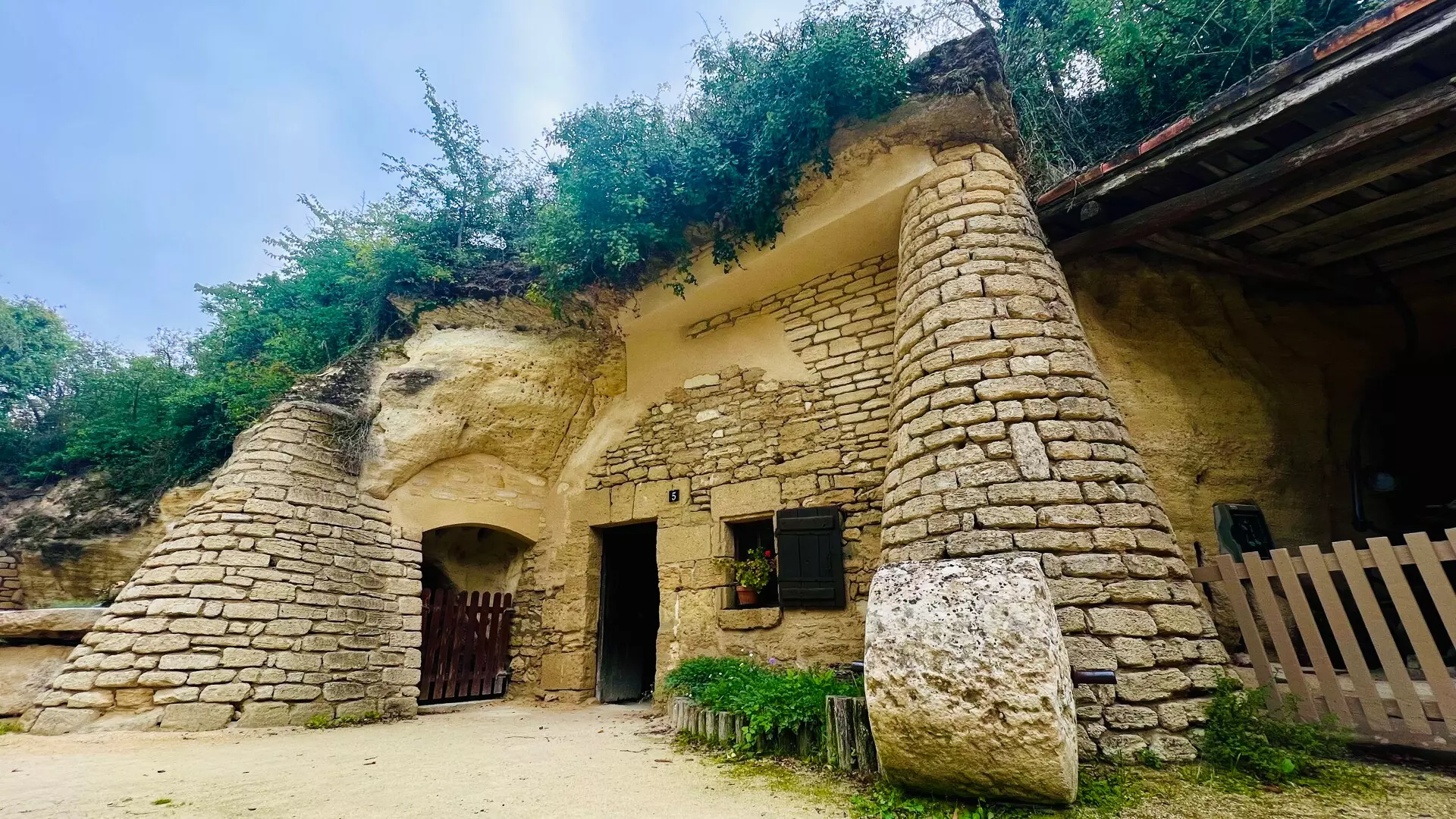
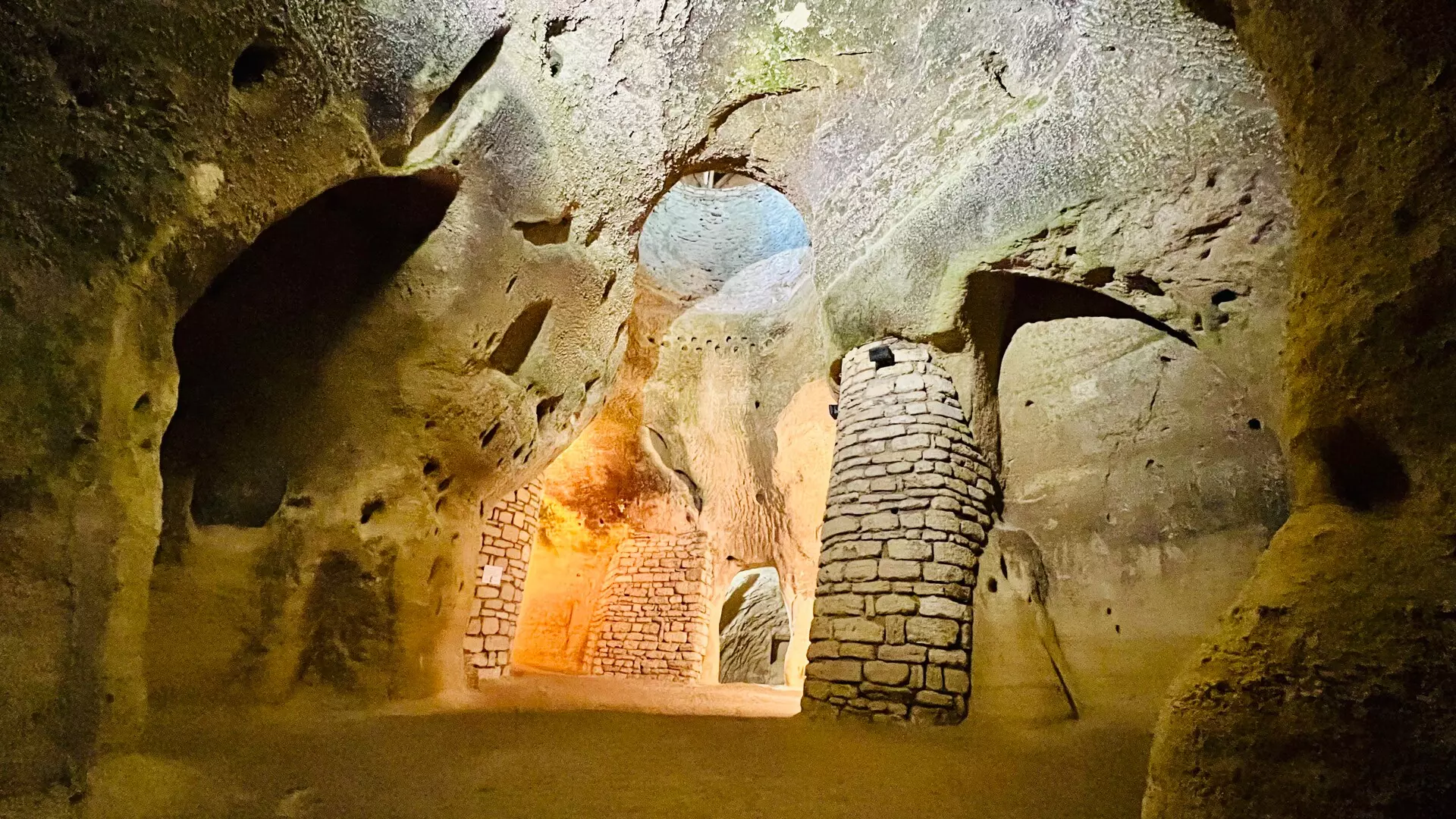
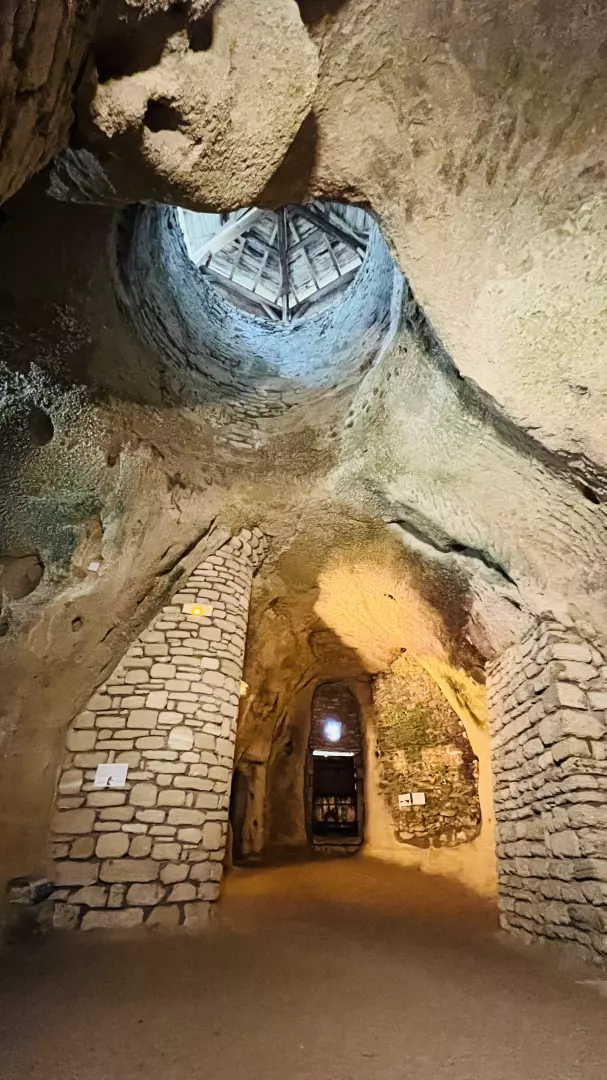
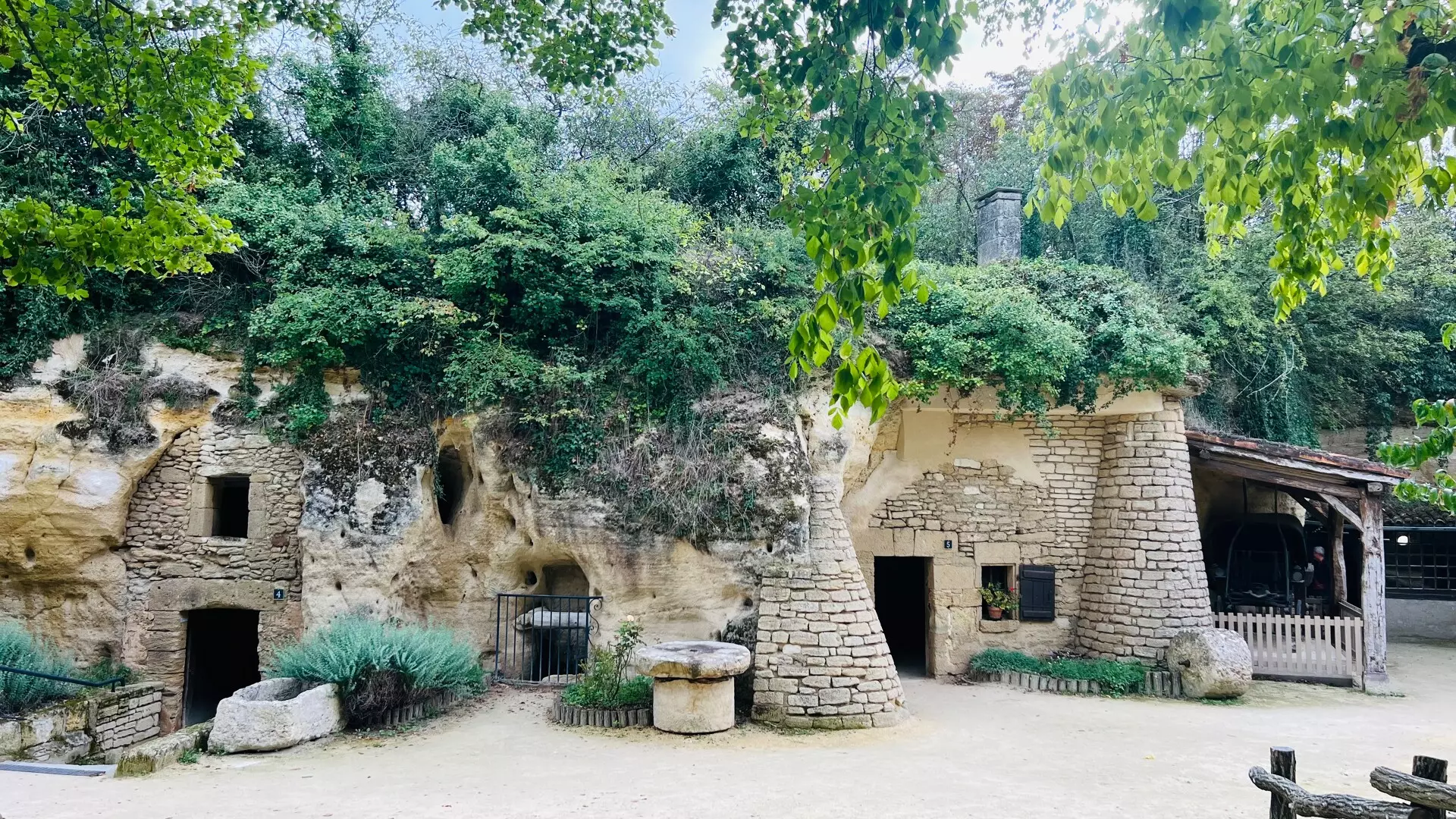
Rochemenier is a troglodytic village, and the original settlement, hewn into the limestone of the plain, is twice as large as the above-ground village. Farms and outbuildings are now open to visitors: the Rochemenier Cave Village opens around twenty rooms to the public and covers more than one hectare. The site offers visitors the chance to explore an underground chapel and a modernised troglodytic house. These caverns echo another name given to the village in the 16th century: ‘roca minori’, meaning ‘the house below’!
The underground passages have been inhabited since the Early Middle Ages, and remains from this period have recently been unearthed. Archaeologists have discovered a building used for religious and funerary purposes, containing numerous burials – particularly of children – dating back to the Carolingian period. Conversely, all that remains from the Neolithic period today is the Pierre Couverte dolmen, whereas in the 19th century numerous menhirs and dolmens had been recorded within the commune’s boundaries.
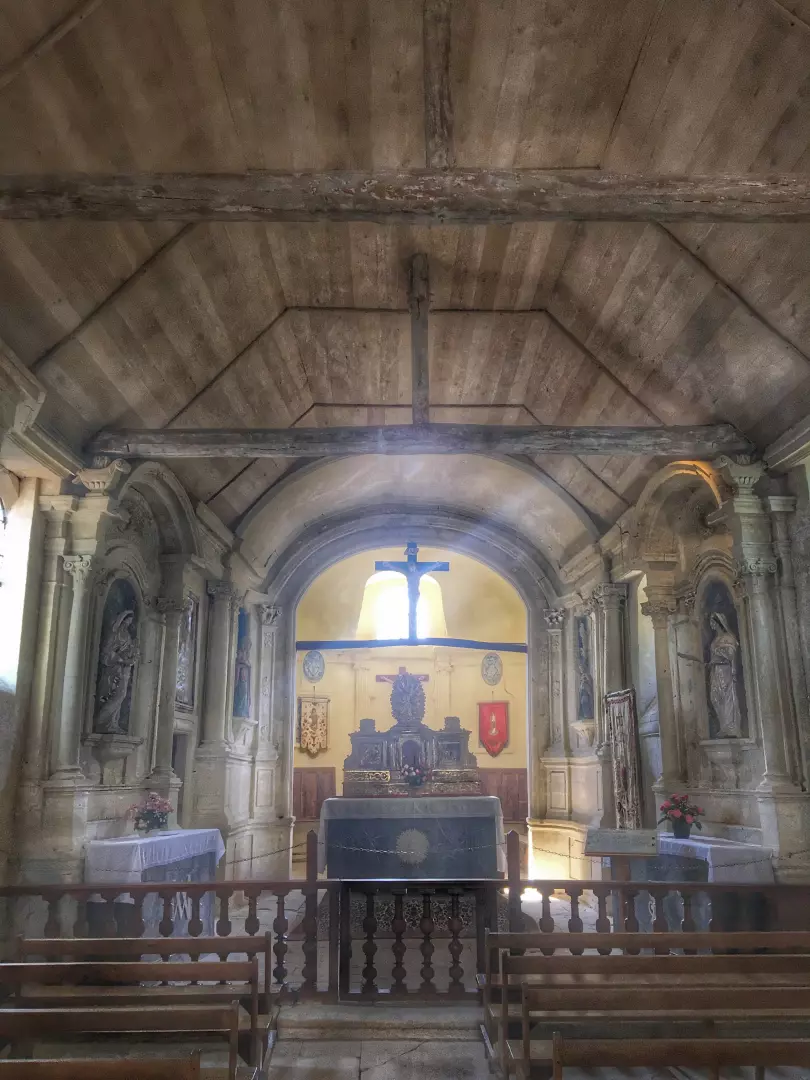
In Rochemenier, built over the cellars, stands the Church of Sainte-Madeleine and Saint-Jean, formerly dedicated to Sainte-Emérance, whose cult has been present in Anjou since the 13th century. She was particularly invoked for stomach ailments; this was the case in 1472 when Louis XI was seized by abdominal pain whilst hunting in the Forest of Longuenée. Part of the ‘Églises Accueillantes en Anjou’ network, this simple, austere building is well worth a visit. The whitewashed walls and the floor covered with gravestones lend it a very special atmosphere.
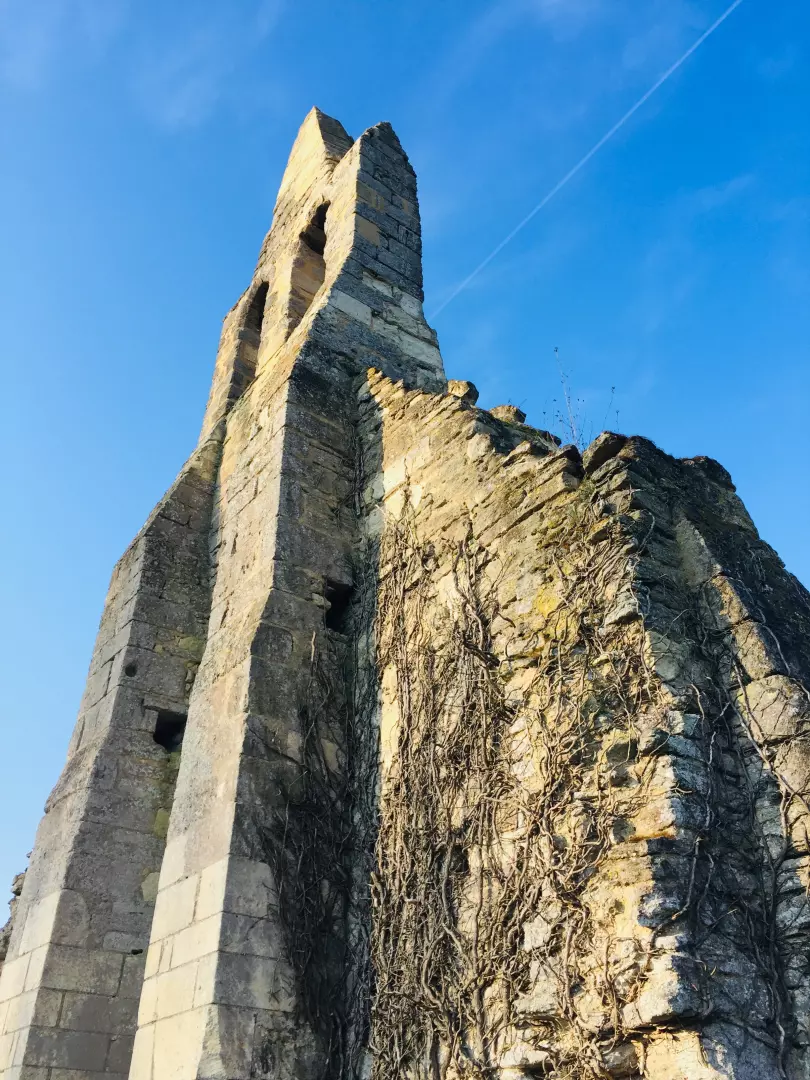
During the Wars of Religion, the hamlet of Varenne was destroyed. All that remains visible today, standing amidst the fields, are the ruins of the gable wall of the old church. These remains, acquired by the local council in 2009, have been restored; the gateway is considered exceptional and the whole site has been listed as a Historic Monument since 1977. Nearby, the Château du Pont-de-Varenne dates from the 15th century and features a chapel (16th century) and a moat.
No overview of Louresse-Rochemenier’s heritage would be complete without mentioning the Cavier windmills. Some lie in ruins, but others are still in working order, such as the Moulin Gouré, which, following restoration, welcomes visitors by appointment.
Infos


Access
Address
8 Rue Principale
49700 Louresse-rochemenier
FRANCE
updated : 31 août 2026By : SPL SAUMUR VAL DE LOIRE TOURISMESuggest changes.
Frequently asked questions about Louresse-Rochemenier
Does "Louresse-Rochemenier" accept ANCV holiday vouchers?
Holiday vouchers are not accepted.
You will also like...
44 km away from Louresse-Rochemenier
16,50€ / Overnight basis
Aire de camping-car de la Guyonnière
4.3(183) Google ne vérifie pas les avis, mais recherche et supprime les faux contenus lorsqu'ils sont identifiés.
La Pommeraye, MAUGES-SUR-LOIRE
WiFi
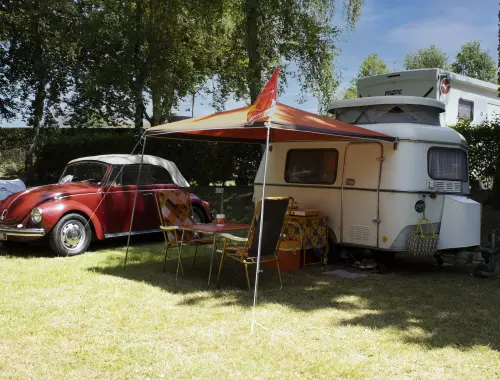
86.5 km away from Louresse-Rochemenier
7,50€ / Overnight basis
Aire au camping La Roche Martin
4.2(160)Google ne vérifie pas les avis, mais recherche et supprime les faux contenus lorsqu'ils sont identifiés.
Pouancé, OMBRÉE D'ANJOU
WiFi

45.5 km away from Louresse-Rochemenier
16€ / Overnight basis
Aire de camping-car du camping Paradis La Promenade
4.2(627)Google ne vérifie pas les avis, mais recherche et supprime les faux contenus lorsqu'ils sont identifiés.
Montjean-sur-Loire, MAUGES-SUR-LOIRE
WiFi
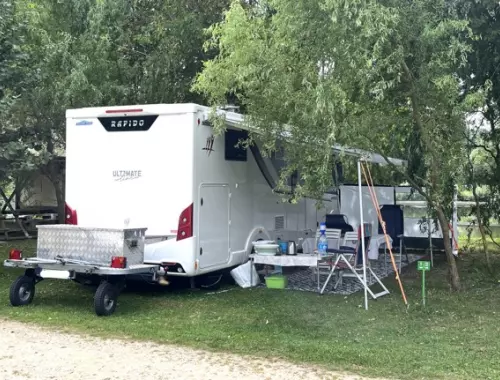
57 km away from Louresse-Rochemenier
Aire de services et de stationnement camping-cars au Camping Moredena
4.1(203)Google ne vérifie pas les avis, mais recherche et supprime les faux contenus lorsqu'ils sont identifiés.
Morannes, MORANNES SUR SARTHE-DAUMERAY
WiFi
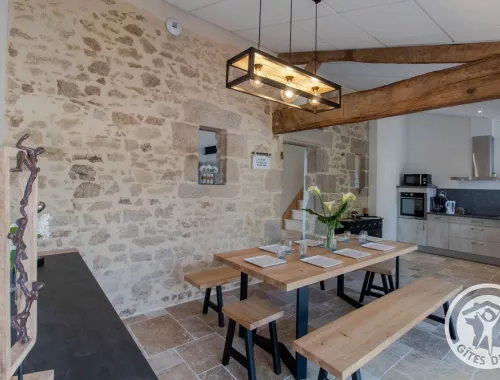
63.5 km away from Louresse-Rochemenier
Group gîte for 14 people between Vendée and Nantes
14 pers. 7 rooms
Gîtes de la Tiboire
Torfou, SEVREMOINE
WiFi
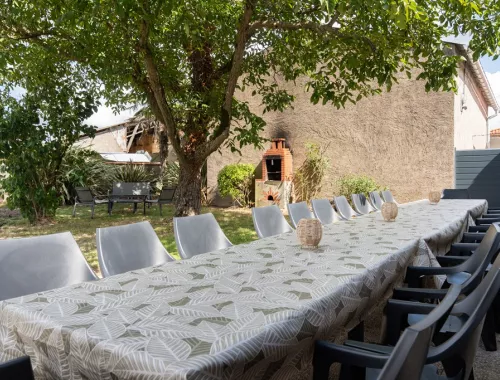
59 km away from Louresse-Rochemenier
4.9(11)Google ne vérifie pas les avis, mais recherche et supprime les faux contenus lorsqu'ils sont identifiés.
23 pers. 7 rooms
Torfou, SEVREMOINE
WiFi