

Le quartier des Ayraults
Activity
Saint-laurent-de-la-Plaine
Description
The Ayraults district borders the road that leads to the Château du Pineau, 1.5 km from the village, and the Château du Plessis-Beuvereau, 4 km away (not open to the public). Although the postman and the village warden no longer live there, some inhabitants of the village still garden at Les Ayra...
Infos
Access
Address
Rue des Ayraults
Saint-Laurent-de-la-Plaine
49290 Mauges-sur-loire
FRANCE
updated : 29 août 2025By : Pôle Tourisme ôsezMaugesSuggest changes.
Frequently asked questions about Le quartier des Ayraults
Does "Le quartier des Ayraults" accept ANCV holiday vouchers?
Holiday vouchers are not accepted.
Are pets allowed at "Le quartier des Ayraults"?
Pets are not allowed.
You will also like...

0.3 km away from Le quartier des Ayraults
Distance 1,5km
Balade historique à St Laurent de la Plaine
Saint-laurent-de-la-Plaine, MAUGES-SUR-LOIRE
7 km away from Le quartier des Ayraults
16,50€ / Overnight basis
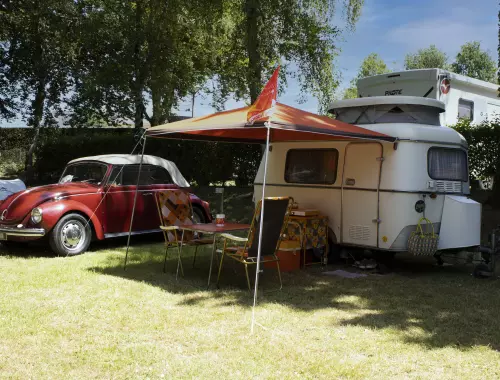
Aire de camping-car de la Guyonnière
4.3(183) Google ne vérifie pas les avis, mais recherche et supprime les faux contenus lorsqu'ils sont identifiés.

La Pommeraye, MAUGES-SUR-LOIRE
WiFi
56 km away from Le quartier des Ayraults
7,50€ / Overnight basis
Aire au camping La Roche Martin
4.2(160)Google ne vérifie pas les avis, mais recherche et supprime les faux contenus lorsqu'ils sont identifiés.
Pouancé, OMBRÉE D'ANJOU
WiFi

10 km away from Le quartier des Ayraults
16€ / Overnight basis
Aire de camping-car du camping Paradis La Promenade
4.2(627)Google ne vérifie pas les avis, mais recherche et supprime les faux contenus lorsqu'ils sont identifiés.
Montjean-sur-Loire, MAUGES-SUR-LOIRE
WiFi
56 km away from Le quartier des Ayraults
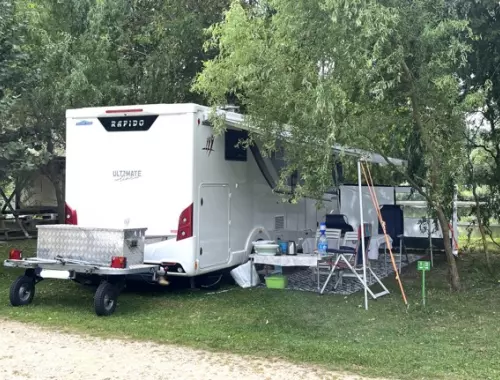
Aire de services et de stationnement camping-cars au Camping Moredena
4.1(203)Google ne vérifie pas les avis, mais recherche et supprime les faux contenus lorsqu'ils sont identifiés.
Morannes, MORANNES SUR SARTHE-DAUMERAY
WiFi
37 km away from Le quartier des Ayraults
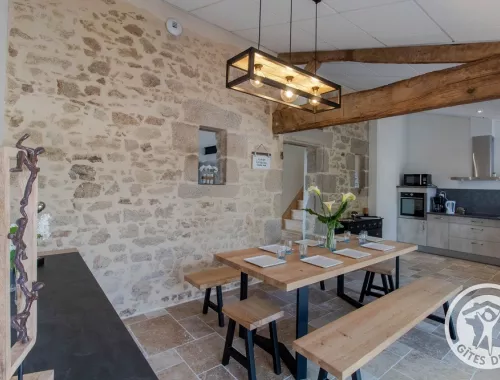
Group gîte for 14 people between Vendée and Nantes
14 pers. 7 rooms
Gîtes de la Tiboire
Torfou, SEVREMOINE
WiFi



