

La campagne de St Laurent
Activity
Saint-laurent-de-la-Plaine
Description
The evolution of the Saint-Laurent farm. As everywhere else in France, the number of farms in Saint-Laurent has continued to fall: 120 in 1914, 96 in 1951, 24 in 2007, 16 in 2025. The average size of a farm will be 66 hectares in 2025.
Infos
Access
Address
Rue Henri de TOULGOET
Saint-Laurent-de-la-Plaine
49290 Mauges-sur-loire
FRANCE
updated : 05 janvier 2026By : Pôle Tourisme ôsezMaugesSuggest changes.
Frequently asked questions about La campagne de St Laurent
Does "La campagne de St Laurent" accept ANCV holiday vouchers?
Holiday vouchers are not accepted.
You will also like...

0.3 km away from La campagne de St Laurent
Distance 1,5km
Balade historique à St Laurent de la Plaine
Saint-laurent-de-la-Plaine, MAUGES-SUR-LOIRE
7 km away from La campagne de St Laurent
16,50€ / Overnight basis
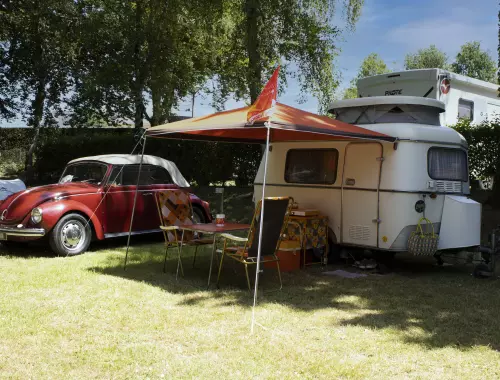
Aire de camping-car de la Guyonnière
4.3(183) Google ne vérifie pas les avis, mais recherche et supprime les faux contenus lorsqu'ils sont identifiés.

La Pommeraye, MAUGES-SUR-LOIRE
WiFi
56 km away from La campagne de St Laurent
7,50€ / Overnight basis
Aire au camping La Roche Martin
4.2(160)Google ne vérifie pas les avis, mais recherche et supprime les faux contenus lorsqu'ils sont identifiés.
Pouancé, OMBRÉE D'ANJOU
WiFi

10 km away from La campagne de St Laurent
16€ / Overnight basis
Aire de camping-car du camping Paradis La Promenade
4.2(627)Google ne vérifie pas les avis, mais recherche et supprime les faux contenus lorsqu'ils sont identifiés.
Montjean-sur-Loire, MAUGES-SUR-LOIRE
WiFi
56 km away from La campagne de St Laurent
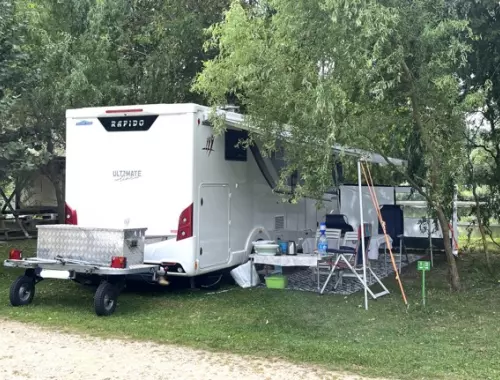
Aire de services et de stationnement camping-cars au Camping Moredena
4.1(203)Google ne vérifie pas les avis, mais recherche et supprime les faux contenus lorsqu'ils sont identifiés.
Morannes, MORANNES SUR SARTHE-DAUMERAY
WiFi
37 km away from La campagne de St Laurent
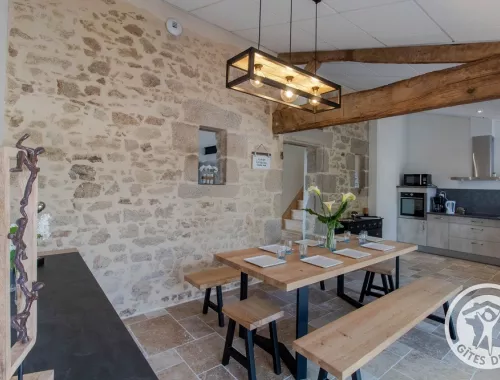
Group gîte for 14 people between Vendée and Nantes
14 pers. 7 rooms
Gîtes de la Tiboire
Torfou, SEVREMOINE
WiFi


