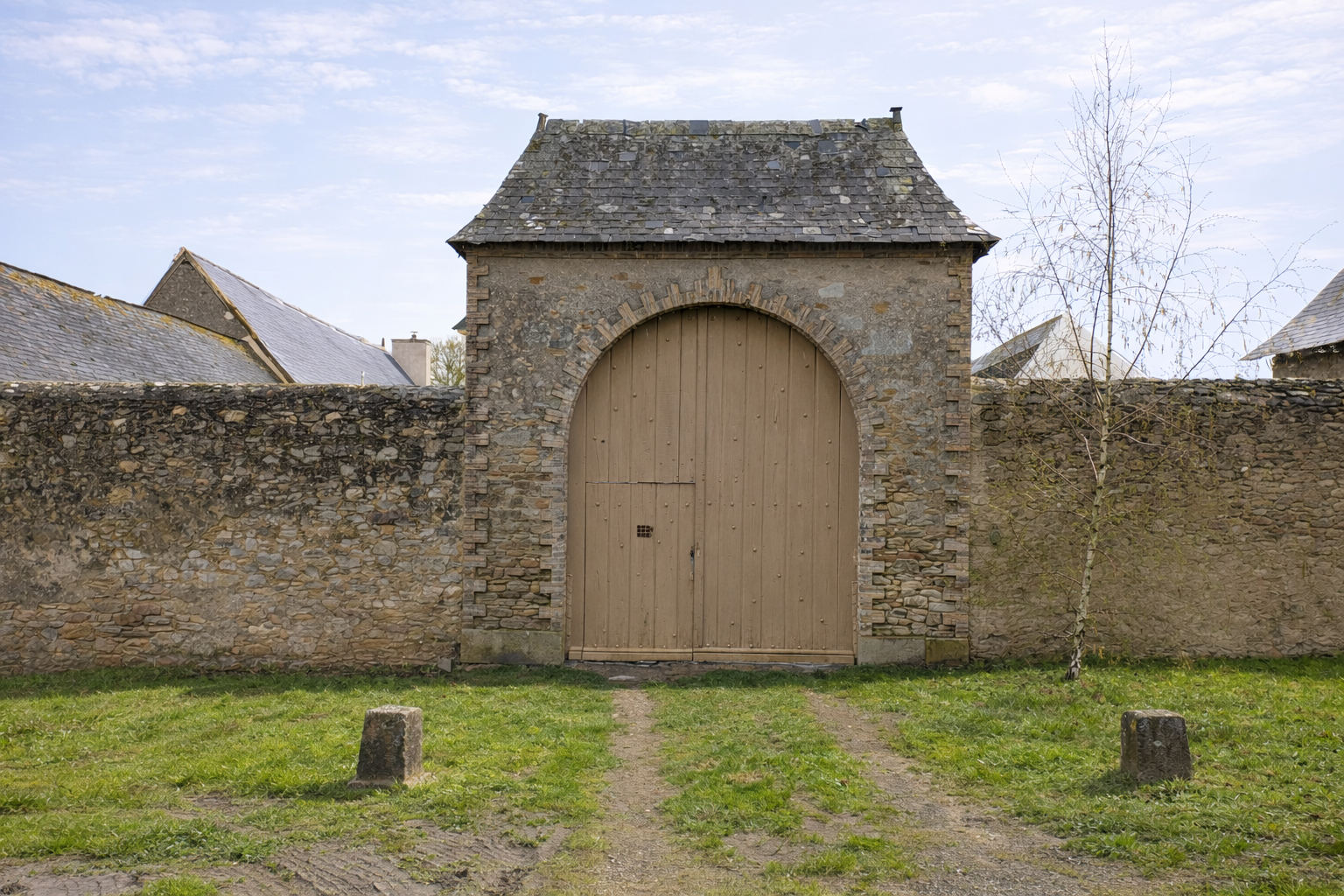
Late 17th-early 18th century manor house in the Montreui-sur-Maine countryside.
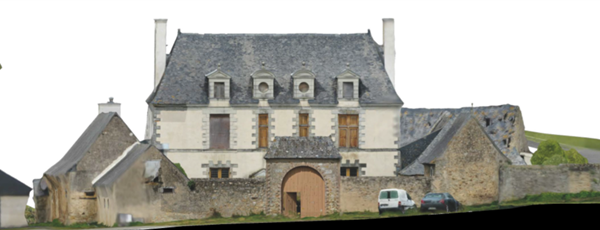
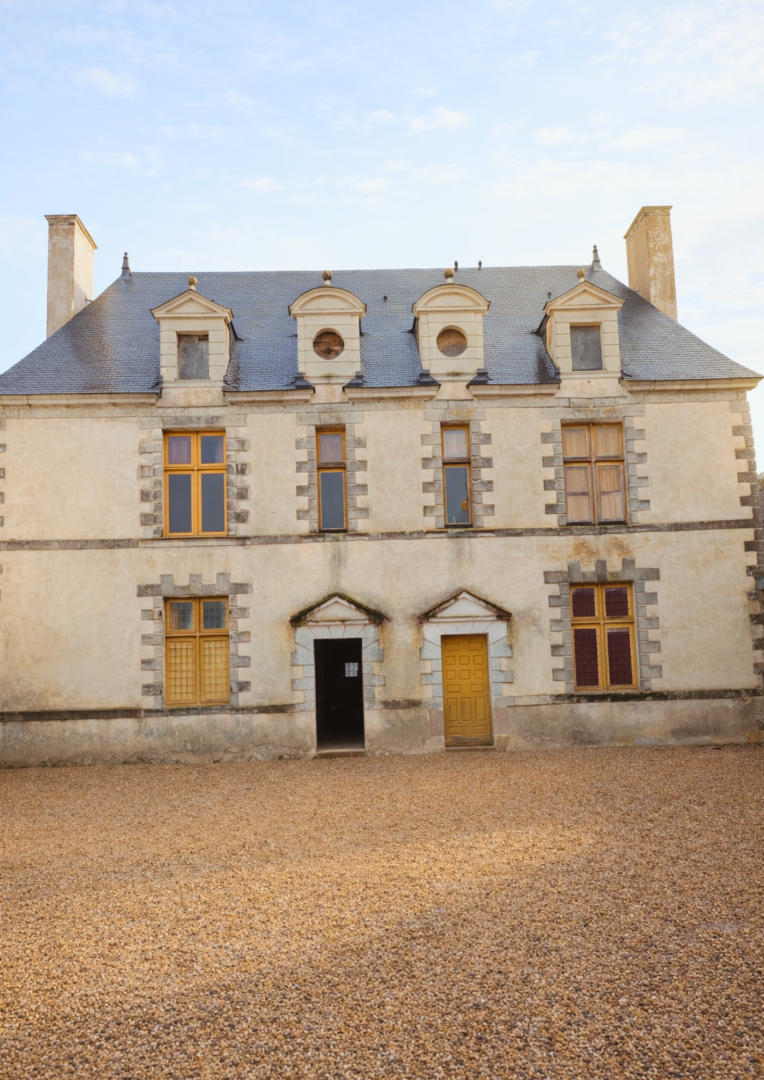
The manor house of La Chouanière, located in Montreuil-sur-Maine in Maine-et-Loire, has its origins in an ancient fiefdom mentioned as early as 1540, then owned by Jean de Landivy, a priest. The current manor house was built at the beginning of the 18th century, on the initiative of Maître Michel Bonneau, a tax prosecutor from Le Lion-d'Angers, and his wife Perrine Hervé. A frieze engraved on the main façade recalls this construction, dated 1702-1703.
The estate was extended with the construction of a chapel in 1716, followed by the addition of outbuildings in the decades that followed. In the 19th century, the manor house was gradually abandoned and converted into a farm. The name La Chouanière may be linked to the history of the Chouan movement in the region.
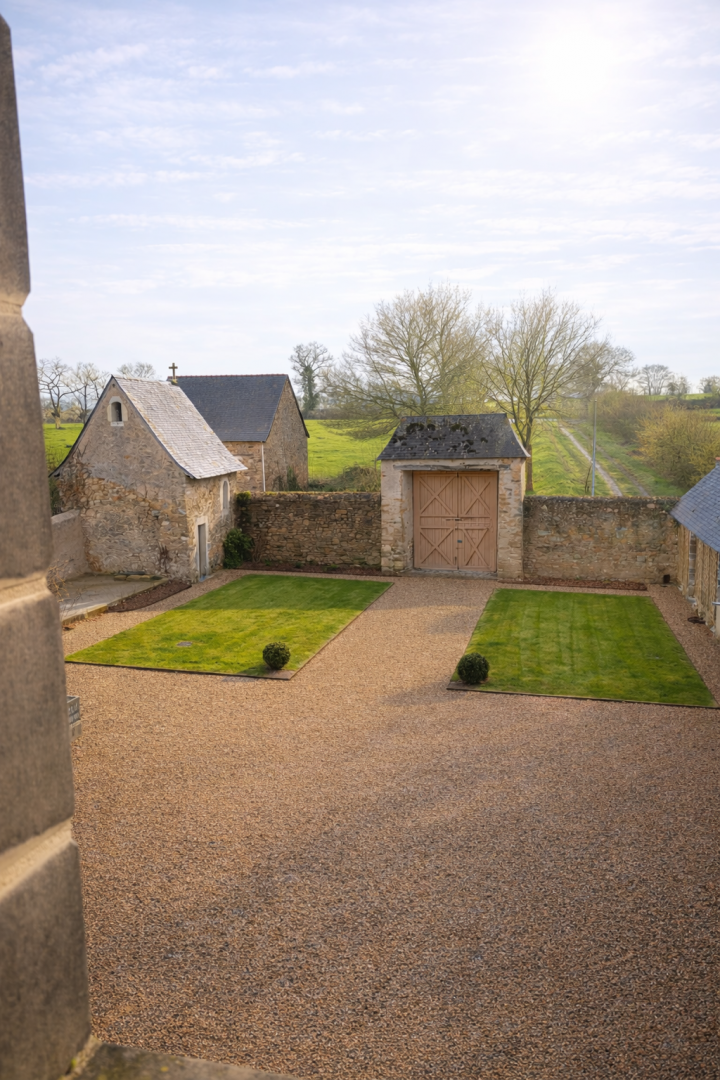
The manor's facades and roofs have been listed as Historic Monuments since 24 October 1973. Nestling in a small valley away from the village, the estate is accessed via an oak-lined driveway leading to an enclosed quadrangular courtyard. A small chapel stands on one side of the courtyard, opening onto an enclosed garden.
The main dwelling, of great classical sobriety, features an ordered facade topped with four dormer windows and a high slate roof. The quoins, rusticated architraves, alternating straight and arched pediments and use of light-coloured tufa stone give the building elegance and luminosity. On either side of the dwelling, two outbuilding wings continue the architecture of the main building and structure the courtyard.
The estate also has a garden enclosed by dry stone walls, laid out in six regular beds planted with fruit trees such as apple, pear and quince. A well stands at the bottom of the garden, completing the heritage features typical of rural homes in Anjou.