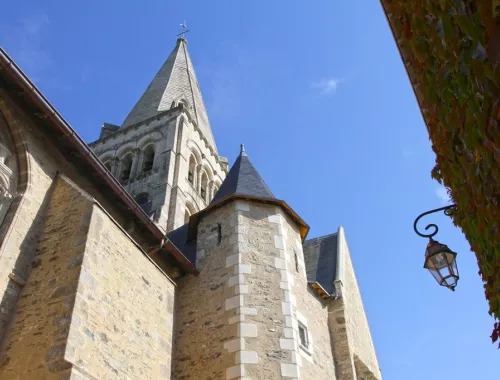
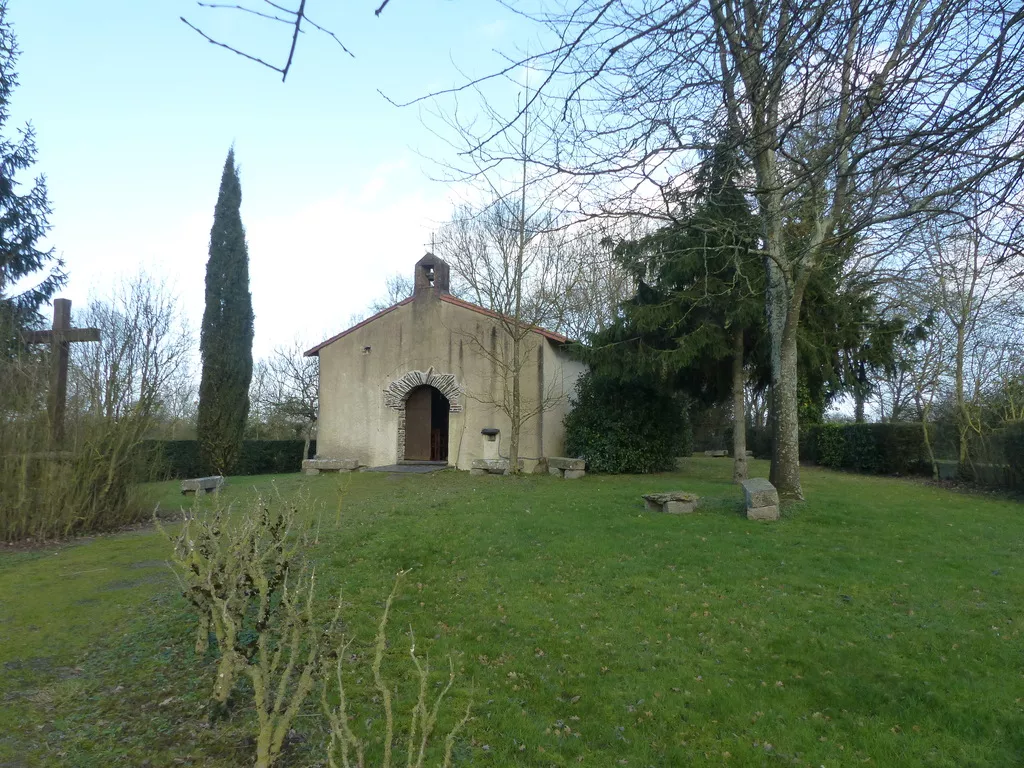
A Treasure of History and Serenity in Liré. Located in the heart of J. du Bellay country, the Chapelle de Beaulieu is a 14th-century jewel that has survived the ages thanks to the passion of its inhabitants. Much more than a simple building, it tells the story of a community's attachment to its h...
A medieval foundation
The first traces of this sanctuary date back to 1377, in documents linked to the Lords of Bain. In 1410, it became the property of Jean de la Brunetière. Originally dedicated to Saint Mark, it was a much-frequented place of pilgrimage where people came from far and wide to ask for protection for their crops and possessions.
The "Shared Responsibility" Anecdote
At the end of the 16th century, the priory monks, the chaplain of Beaulieu and the parish priest of Liré were involved in an unusual legal dispute. Although they were all disputing ownership of the site for offerings, no one wanted to bear the cost of repairing the building. The verdict of the time was exemplary in its wisdom and became a golden rule for the monument: "whoever enjoyed it had to provide for its upkeep".
The Catacomb Chapel
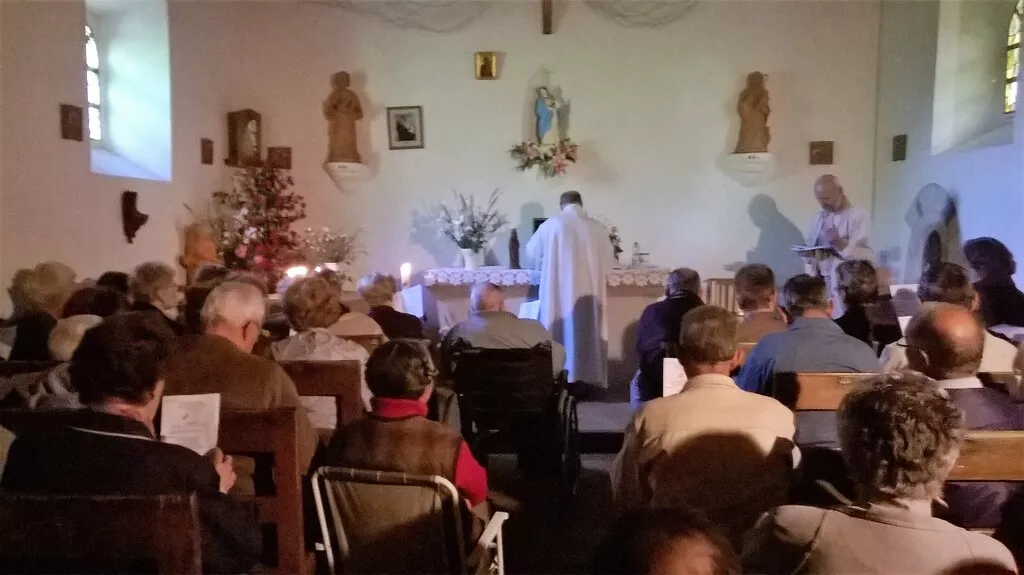
One of the most significant episodes in its history took place during the French Revolution. While the church at Liré was being destroyed, the little chapel at Beaulieu remained intact. Its secret weapon? It was so well hidden under a thick cloak of trees that it served as a secret refuge, or "catacomb", for clandestine masses.
A revival driven by the residents
After several periods of neglect, the chapel underwent two major waves of restoration:
- 1950: Under the impetus of Abbé Georges Allard, volunteers and craftsmen joined forces to save the building, celebrating a pontifical mass to mark its rebirth.
- 1985: The town council signed a 99-year lease to guarantee the building's future and entrusted its management to the association "Les Amis de la Chapelle".
A showcase for local crafts
Today, the chapel is a veritable gallery of regional expertise:
- The Compagnons du Devoir made the granite benches, the Maltese cross and repaired the altar.
- The art of Le Fuilet: The terracotta statues were modelled by local artists Madeleine de la Rougerie and Marie-Jo.
- Light: The stained glass windows, installed thanks to donors, symbolically represent the vine and the harvest.
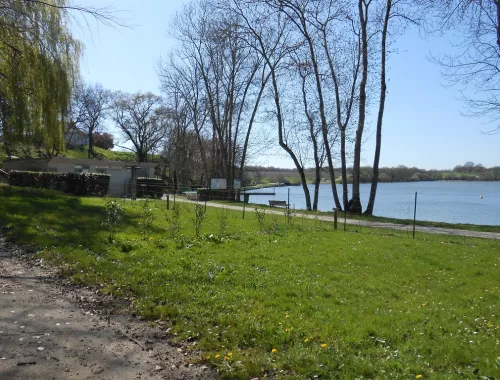
This special meeting place lives on every year, particularly during the Rogations celebrations, perpetuating a centuries-old tradition in a magnificent landscaped setting.